
The Ice Maker for Food Conservation
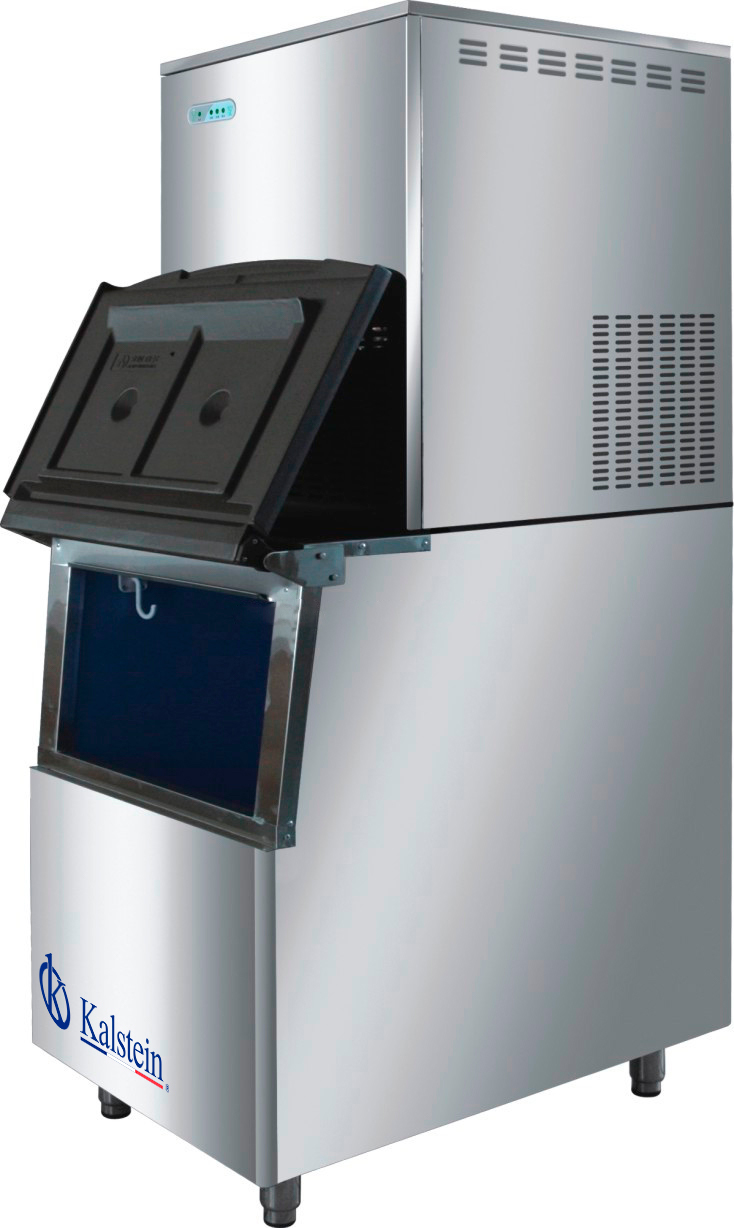
All food preservation methods aim to stop the deterioration of food and maintain its good taste for as long as possible. Fresh, unprocessed foods always contain microorganisms that can cause spoilage.
Ice maker: What technology do you use?
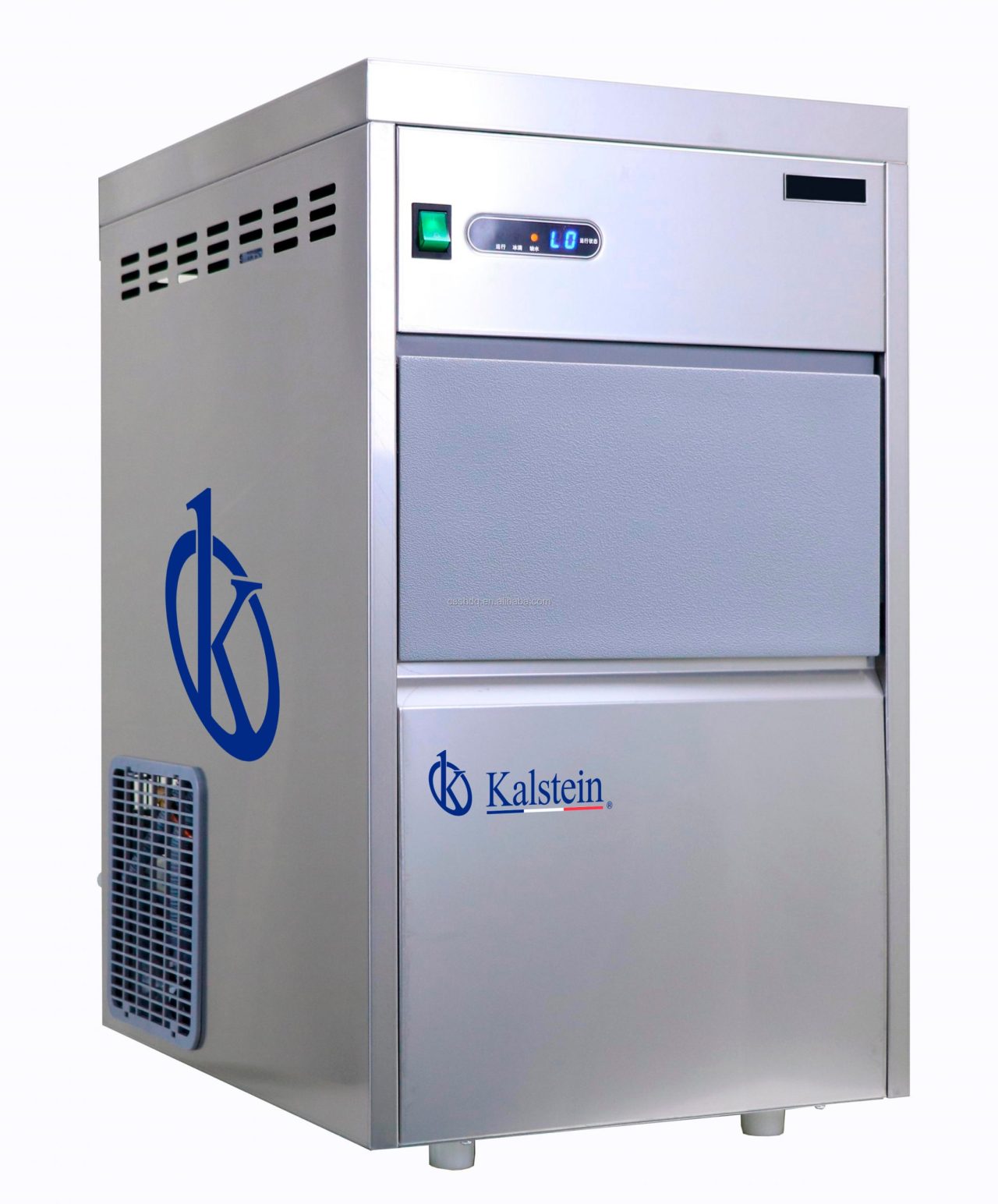
Ice ice makers are specialized equipment that possess the ability thanks to their structure to produce large quantities of ice for disposal in any area or procedure required within the laboratory or other institution. They work by increasing the efficiency of ice production and by supplying large quantities of this element for the various procedures required.
Uses in a laboratory of the “Ice Maker”
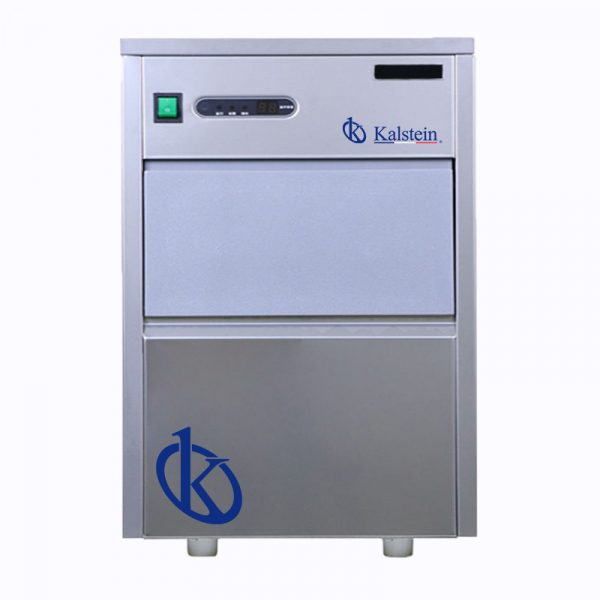
An ice maker is a machine for making ice. This machine produces the ice from moving water, the difference from the traditional method of making ice, where the water is frozen. This principle results in the air being removed, as well as the suspended solids.
What are the capabilities of an ice maker?
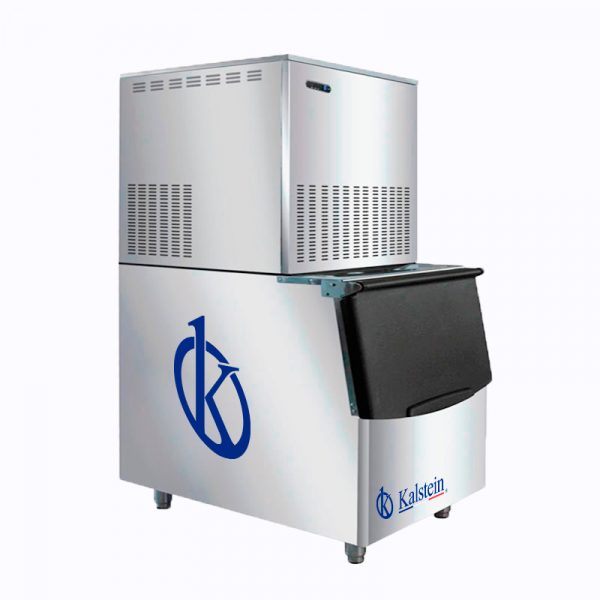
An ice maker is a piece of equipment where the water is poured into a tray that has a specific format to shape the ice that you want to create. The tray freezes slowly and gradually in layers until the water freezes completely and creates the ice cubes. Once the correct temperature is reached, the tray heats up enough to allow the cubes to separate. The cubes are deposited in the storage tank.
ICE Maker: different types for hospitals and laboratories
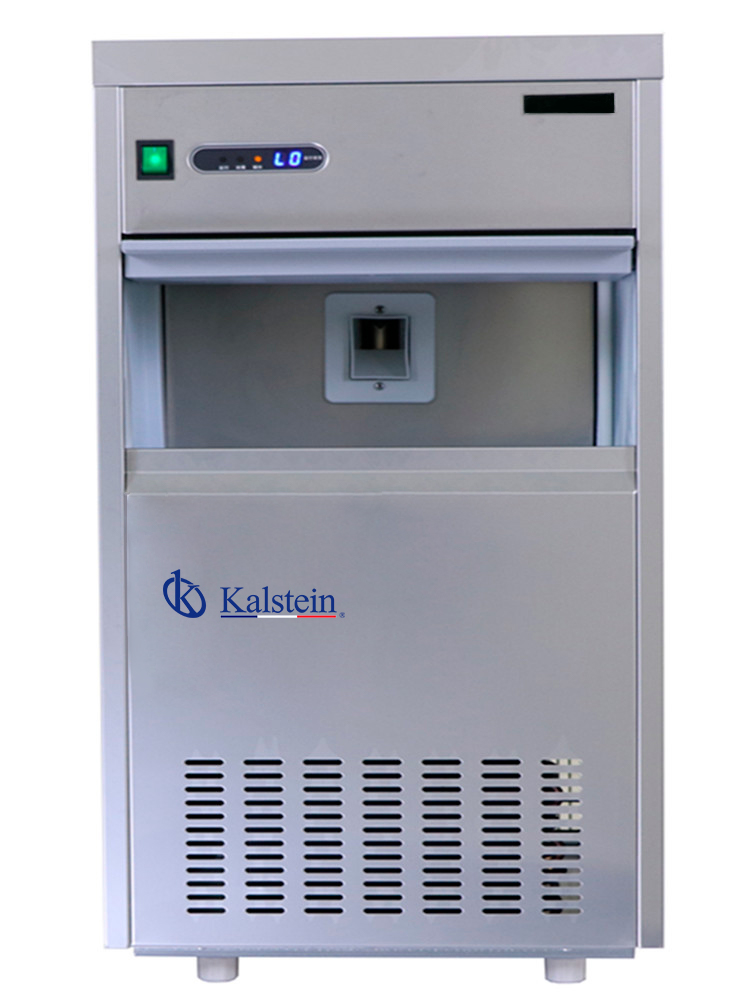
This ice-making machine, its process is based on making ice cubes from moving water, which consequently removes air and suspended solids. This results in ice of great firmness and in very little time.
Flake Ice Machine: Is it important in the lab?
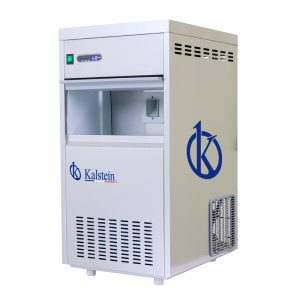
The flake ice machine is equipment that has as main objective to produce flake ice in large quantities for disposal in any area or procedure required within the laboratory. These flake ice machines are used to increase the efficiency of ice production, quickly providing large amounts of this element for various procedures carried out in a laboratory.
How does the Vacuum ovens work in the Laboratory?
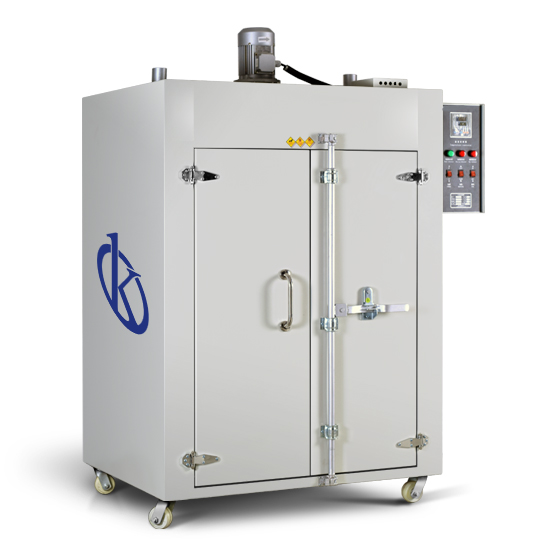
Vacuum stoves are laboratory units used for drying thermosensitive materials, whose temperature extension can eliminate the creation of bacteriological cells, or materials that oxidize under heating. The temperature regulation processes of these units are precise, and the drying mechanisms with turbo function, is shown in its splendor.
Importance of the ovens for the Agri-Food Industry
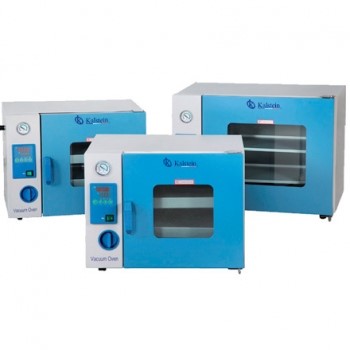
The stove is a laboratory equipment capable of reaching extreme temperatures ranging from 200 ° C to 350 ° C, they are made of stainless steel, with double glass door sealed insulated walls, which favors air circulation. All types of samples are introduced into the equipment and subjected to a wide range of processes. It is ideal for the agri-food sector.
Features and care of a laboratory ovens
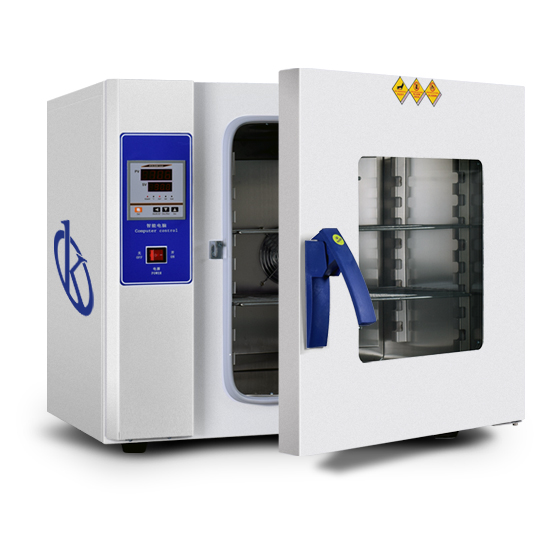
The laboratory oven is a team used to dry and sterilize glass and metal containers. There are basically two types of stove: those that operate through natural convection and those that operate by forced convection.
Use of Laboratory Vacuum ovens for Pharmaceutical Sector
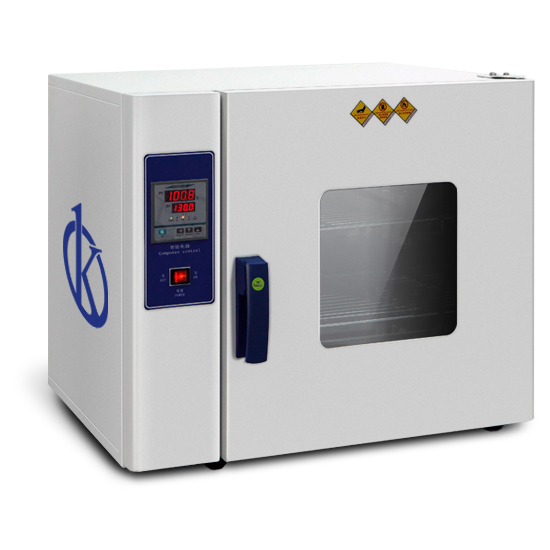
The vacuum stove is a laboratory equipment designed to dry heat-sensitive, comfortably decomposable and complex structure articles of oxidizable materials for fast and efficient emptying. They are also able to disinfect and sterilize glass materials.