
How to calculate the results obtained with a viscometer
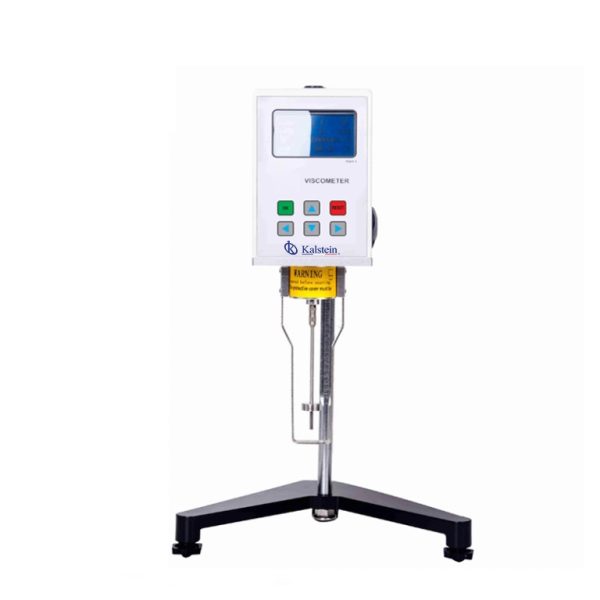
The viscometer is an instrument used in the petrochemical industry to measure the viscosity of a liquid solution. This information is used to calculate fluid parameters, such as current intensity, pressure drop, temperature, etc. This information is important for determining the behavior of fluids in a mechanical system. The measurement made with a viscometer must be accurate and reliable, so that the decisions made on that measurement are correct.
Viscometer: an essential tool for food industries
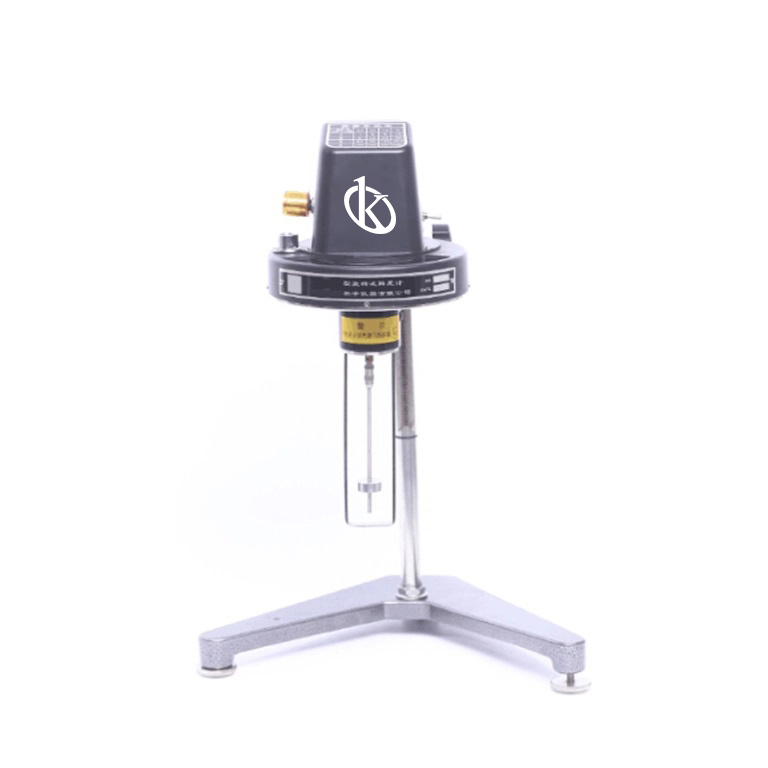
The viscometer is an essential tool for food industries. This tool is used to measure and control the consistency of liquids. This important tool is used in a wide variety of food industries to monitor the consistency of products, thus ensuring food quality and safety. Viscosity measurements are important, as consumers appreciate repeating the experience of a food they usually eat.
Thermal Cycler Protocols (PCR)
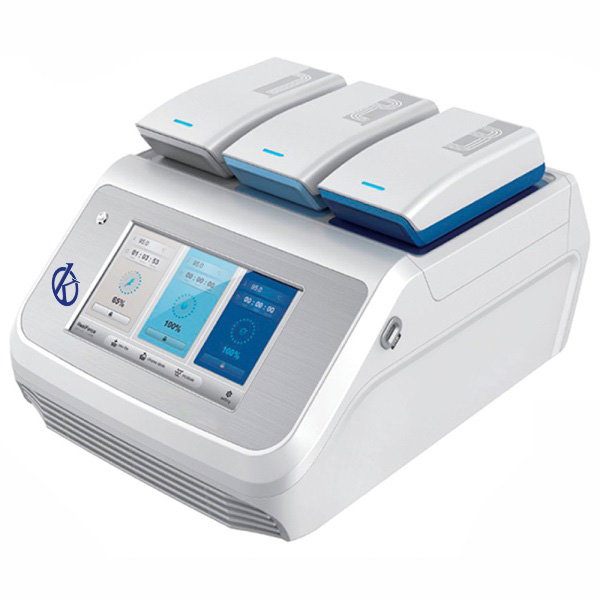
A thermal cycler is a laboratory equipment that allows to carry out the polymerase chain reaction (PCR) efficiently and quickly, by means of the automatic and cyclical realization of the temperature changes that are required for the amplification of a chain. deoxyribonucleic acid (DNA), from a thermostable enzyme. PCR enables a small number of DNA molecules to be amplified many times, exponentially.
What potential does the thermo-cycler offer in the laboratory?
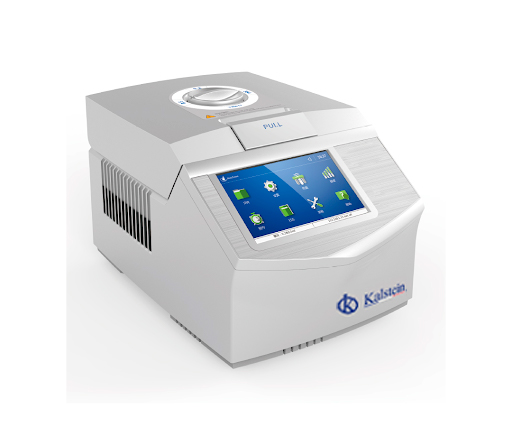
Polymerase chain reaction (PCR) is an enzymatic process by which a section of DNA can be duplicated as many times as desired. In English, polymerase chain reaction is also spoken, so the method is also abbreviated with PCR. Nowadays,
Importance of Nitrogen Tanks
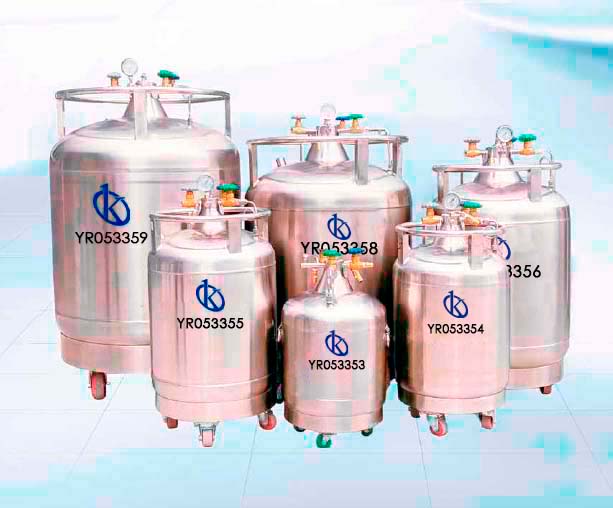
There are now many products that contain gases or use gases for their production, so it is necessary to store these gases in cylinders or tanks under pressure, as in the case of nitrogen. Most gases are classified as compressed gases, according to some international standards.
Use of Nitrogen Tanks for the Wine Sector
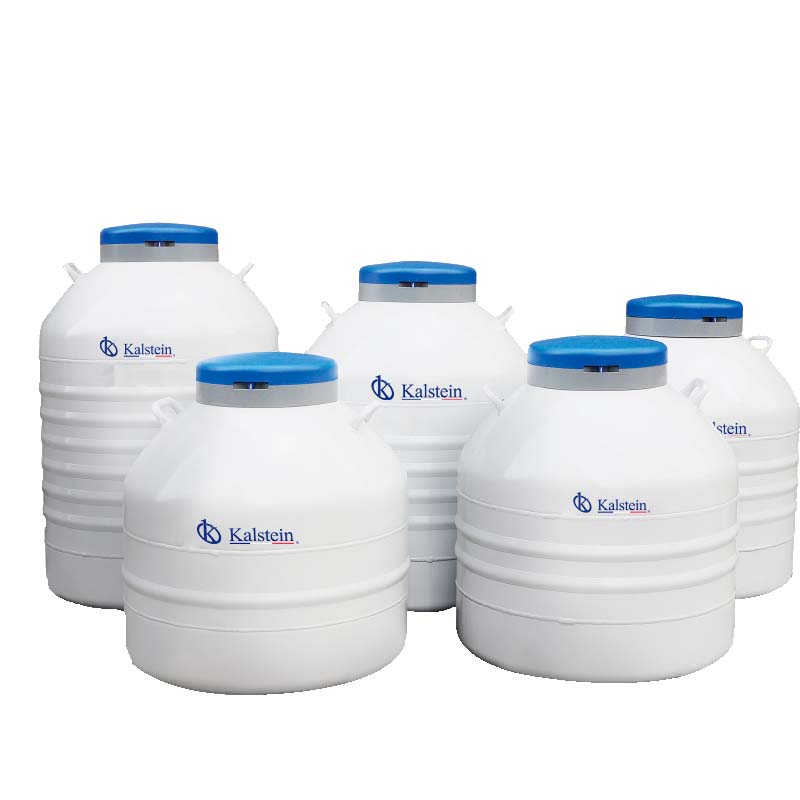
Wine is a beverage that is associated with the history of mankind, since archeologists have found evidence that locate the production of this alcoholic beverage, at least 3000 years B.C. At present, this product of the fermentation of the must of a wide variety of grapes, has undergone a transformation that is related to the advances of science: that is, the production of the wine, although it can retain some artisanal elements, has been made more technical, of course, in order to guarantee the quality of the product.
How are Nitrogen Tanks used for food preservation?
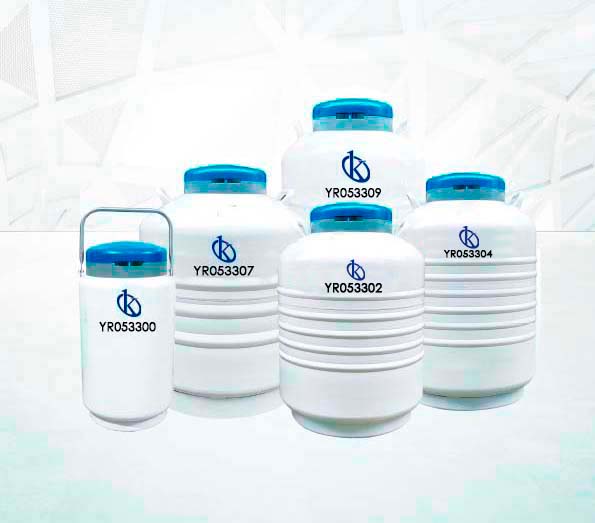
The preservation of food is a key stage in the production and consumption chain, since it prolongs the shelf life of the food, while ensuring that they reach the consumer in optimal conditions. This is essential, since the physicochemical,
Nitrogen Tanks for the Conservation of Biological Samples
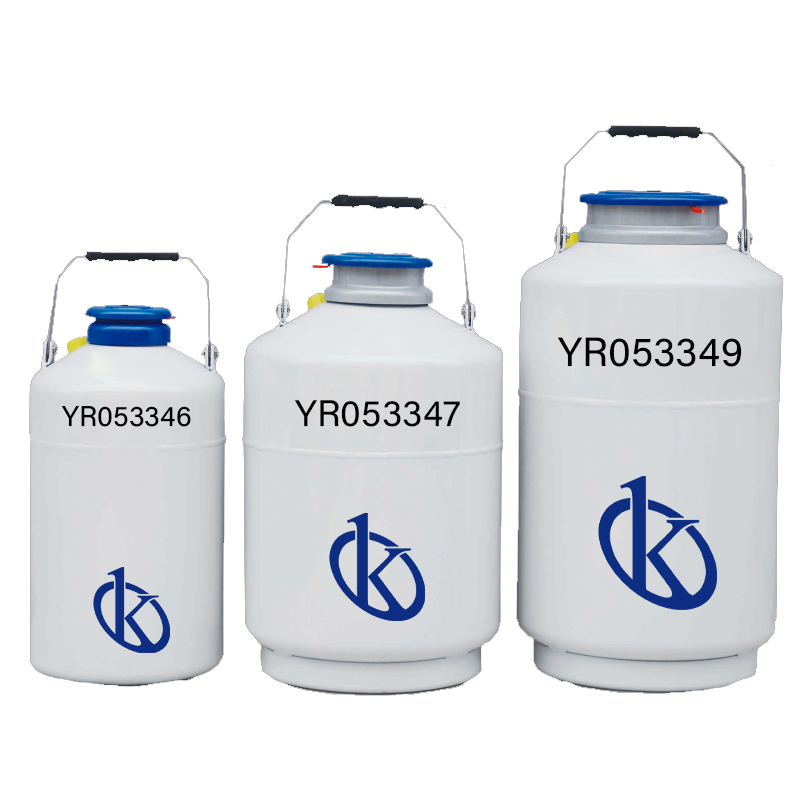
Liquid nitrogen, which is more expensive than dry ice, is generally used for biological sample conservation and there are more potential risks with respect to its handling. However, for different types of samples to be stored in the glass phase (in this case it is referred to temperatures below -150 °C),
How should a tank of liquid nitrogen be handled?
Nitrogen is a chemical element found in group 15 and period 2 of the periodic table and, in addition, its atomic number is 7, that is, each atom of it has 7 protons in its nucleus. On Earth, making up 78% of the atmosphere, is molecular nitrogen, which is just two nitrogen atoms joined together.
How viscometers are operated?
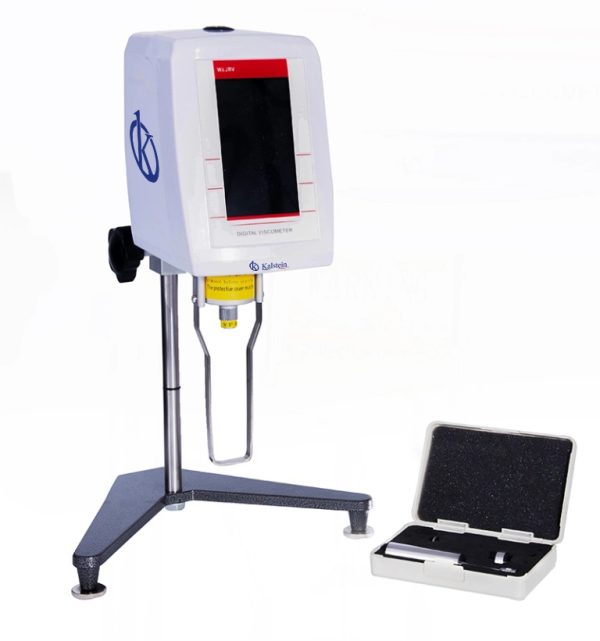
Viscometers are indispensable measuring tools in the chemical, petroleum, pharmaceutical and food industries, among others. They are devices designed to measure the resistance or viscosity of liquids, crystals or gases, and are used to determine the purity of potent chemicals, the quality of drugs, and various industrial procedures. However, to obtain reliable measurements that lead to product improvement, it is necessary to know how to operate such equipment.