
Micropipettes: What type of tips do you use?

The micropipette or automatic pipette is a device used for taking samples in very small volumes, measured in μL (microliters), allowing the manipulation of samples for experimentation in different areas of science. This instrument was invented by a German doctor named Heinrich Schnitger.
Safer and more efficient laboratory workstations
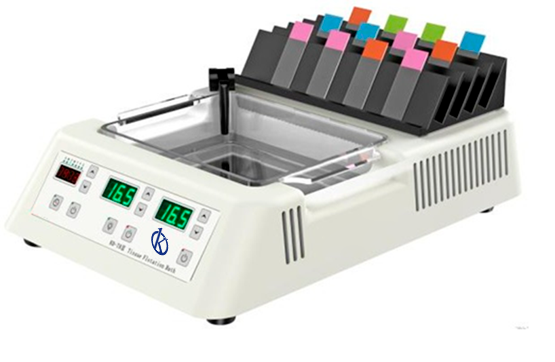
Laboratory workstations play an important role in the academic and professional environment; their use became widespread among academic and research laboratory personnel in recent years due to their ability to provide accurate results through the use of state-of-the-art technology.
The Impact of Agitators on Modern Medicine
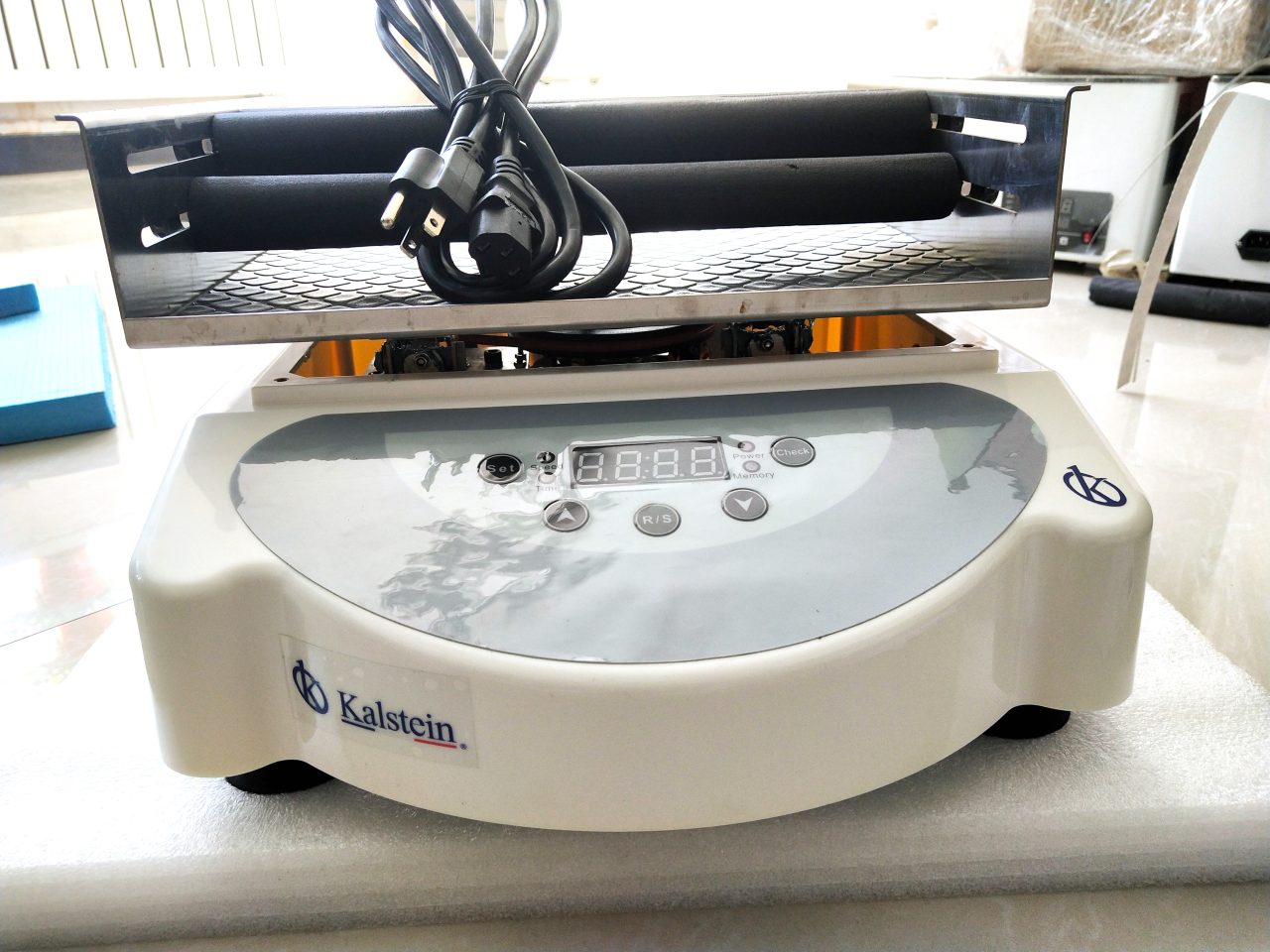
Modern medicine is one of the most important advances humanity has made; gaining access to the best medical care available and enjoying a superior quality of life are some of the striking benefits promised by technological and pharmacological advances.
Agitators: revolutionizing the treatment of diseases
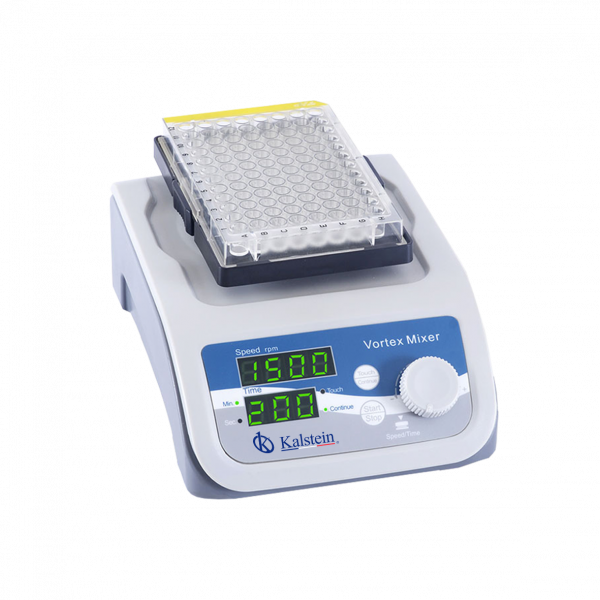
Agitators are revolutionary medical devices that have been changing the way we treat ourselves for many years; these devices help deliver a drug, liquid or solid, to an internal body cavity to ensure accurate dosing or to dissolve any drug that is not soluble in water.
Reducing processing time with stirrers
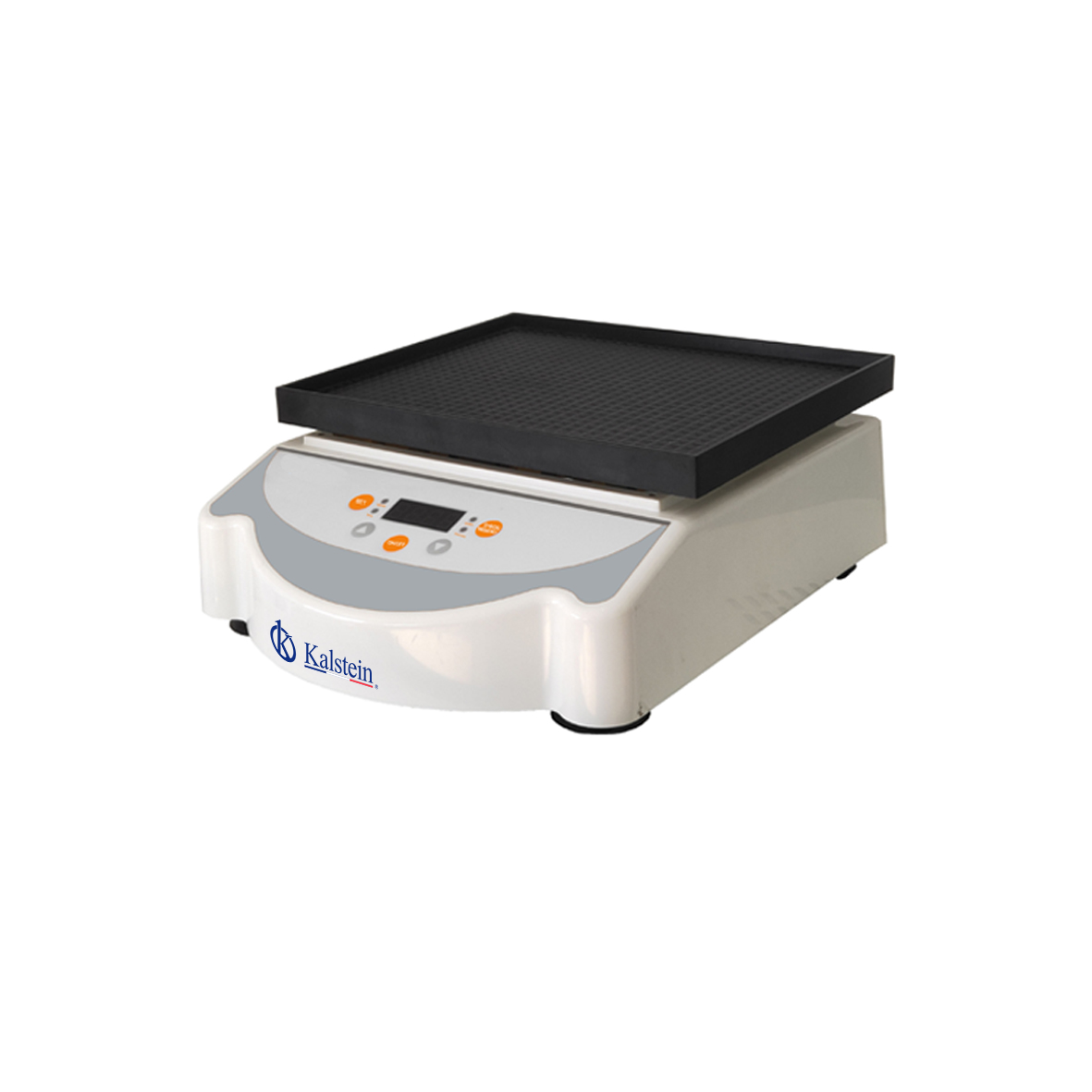
In scientific areas where homogeneous mixtures are needed, such as medicine, biology, chemistry and food, stirrers are often the first resort to achieve the desired goal.
In medicine, shakers allow drugs to be mixed with nutritive liquids, which are administered to patients, as well as allowing the mixing of material used in different types of tests.
How low viscosity viscometers work?
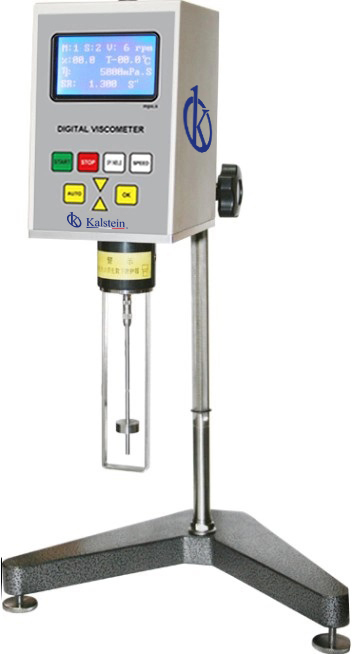
Low viscosity viscometers are fluid measuring devices developed to evaluate the viscosity of liquids, oils and gasses. These devices are used to measure the relative fluidity of the product at a specific temperature, and also to help users make decisions about the viscosity of the product, and apply changes to bring it to desired values.
What factors should you consider when selecting a viscometer?
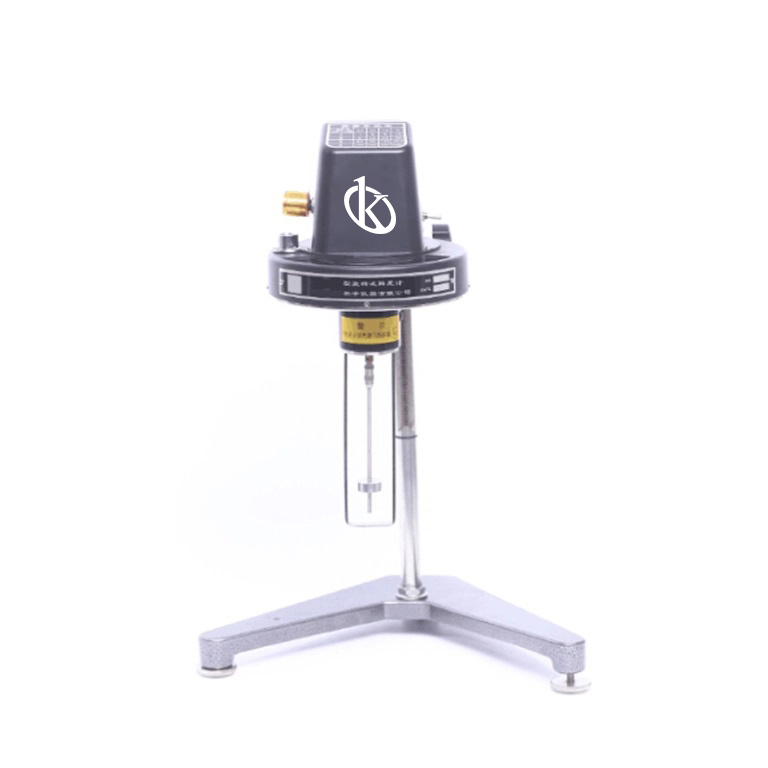
The selection of a viscometer is an important decision when carrying out production tasks in an industrial environment, the tool is fundamental to ensure that fluids are being handled safely and consistently in the equipment, and its selection with criteria is key to obtain the best results.
How a viscometer can improve the quality of liquid products
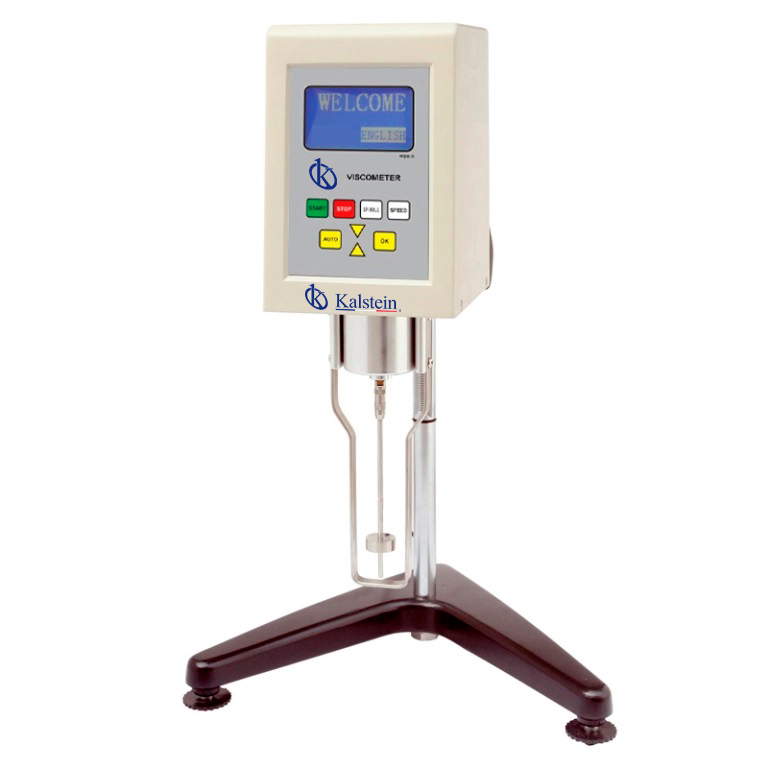
The quality of many liquid products depends on the accuracy with which liquids are measured and manufactured; the viscometer is a useful tool that allows the viscosity of liquids to be determined with a precision mechanism, the information provided by a viscometer is also useful for assessing the performance of liquid materials.
What are the advantages of using a viscometer?
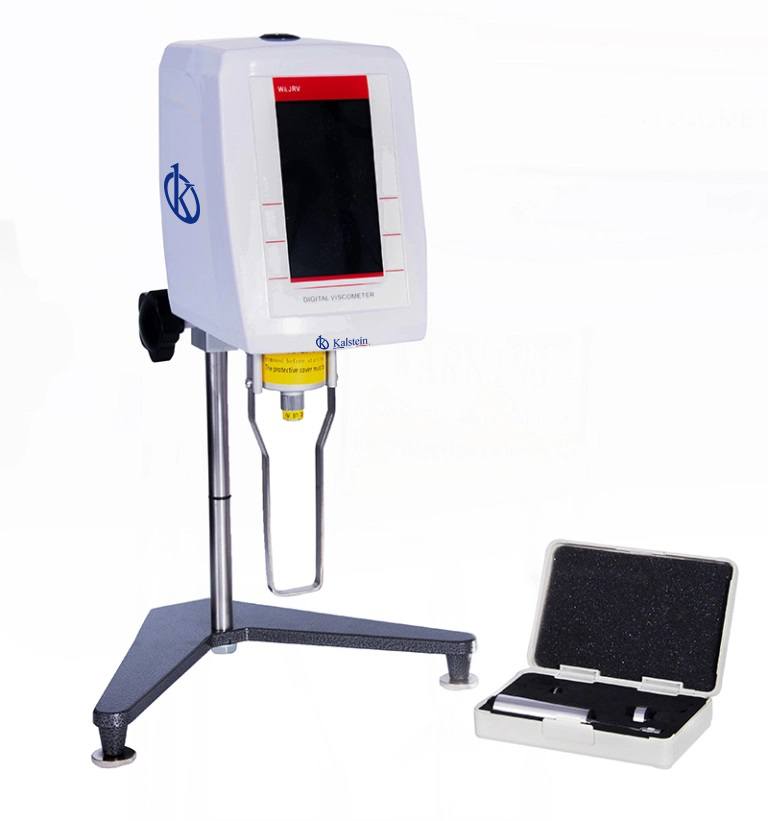
Viscometers are widely used in various industrial sectors to measure and control the viscosity of fluids used in various companies. These instruments are used to determine the properties of fluids, including resistance to movement. This will enable companies to optimize their production, give them batch uniformity, and improve throughput at the same time. In this way, companies save money by having more controlled processes.
The quality and accuracy of viscosity measurement from a viscometer
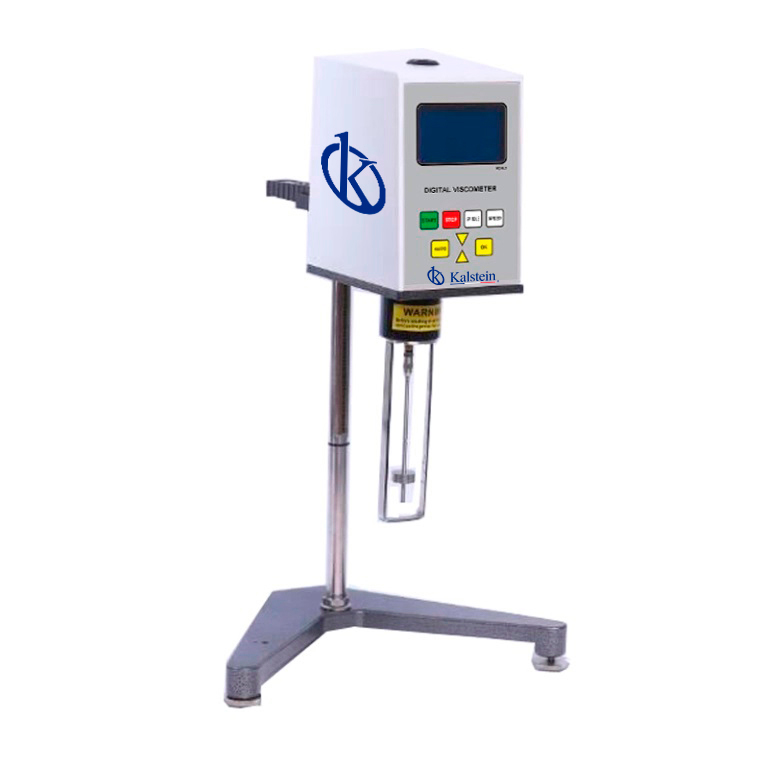
Viscosity measurement is an important part of many industries, as this information maintains accuracy in products such as consumables and cosmetics. The use of a viscometer allows professionals to obtain the information needed for accurate viscosity measurement of a product.