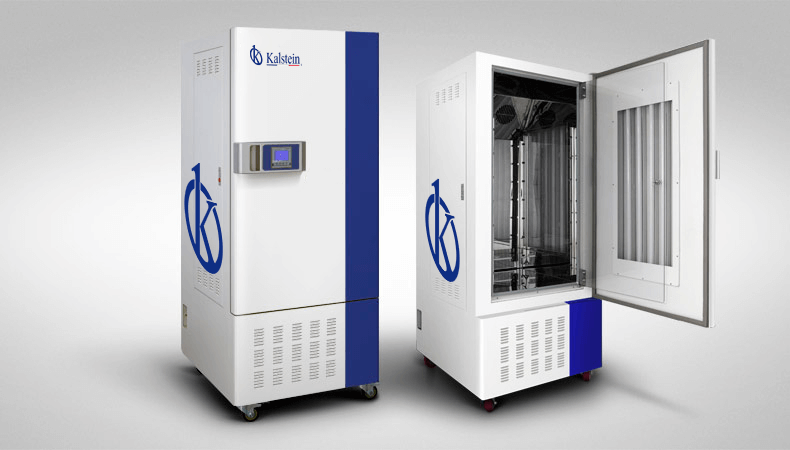
Artificial Climate Chamber: Practical Step-by-Step Usage Guide 2026
Artificial Climate Chambers play a crucial role in various laboratory settings, allowing researchers to simulate environmental conditions for biological growth and development studies. In 2026, understanding how to effectively utilize these chambers is essential for achieving optimal results in your experiments.
What is it used for in 2026
Artificial Climate Chambers are primarily used for simulating environmental conditions that can affect biological samples, such as plants, cells, and small animals. These chambers replicate factors like light, temperature, and humidity to study their impacts over prolonged periods. They are ideal for experiments requiring controlled conditions, such as long-term plant growth tests, cellular biology studies, and even small animal husbandry.
History and evolution of the technology
The technology behind Artificial Climate Chambers has evolved significantly over the years, beginning with basic temperature-controlled environments to the advanced multi-functional chambers available today. Early models focused on temperature control alone, while modern versions integrate advanced humidity and light modulation capabilities. This evolution has been driven by a growing need for precision in scientific research and the increasing complexity of biological studies.
How to use it step by step
Using an Artificial Climate Chamber involves several steps to ensure accurate and reliable results:
- Preparation: Begin by cleaning the chamber and ensuring all components are functioning correctly.
- Set Parameters: Input the desired temperature, humidity, and light settings based on your experimental requirements.
- Place Samples: Carefully arrange your biological samples within the chamber, ensuring they are positioned to receive adequate light and air circulation.
- Monitor Conditions: Continuously observe the chamber conditions through the built-in monitoring system. Make adjustments as necessary.
- Conduct Experiments: Allow your samples to acclimate and monitor their progress according to your experimental timeline.
Best techniques and protocols
To maximize the effectiveness of your Artificial Climate Chamber, follow these techniques:
- Regularly calibrate the chamber for accuracy in temperature and humidity settings.
- Implement a systematic approach to data collection for consistent and reproducible results.
- Utilize environmental sensors to monitor conditions more effectively.
- Ensure proper ventilation within the chamber to prevent heat buildup around your samples.
Practical applications by laboratory type
Different laboratories utilize Artificial Climate Chambers based on their specific needs:
- Biological Research Labs: For studying the effects of various environmental conditions on cell cultures and small organisms.
- Agricultural Research Labs: For testing crop responses to different climatic conditions.
- Pharmaceutical Labs: For stability testing of drugs under controlled environmental conditions.
Regulations, standards and certifications
When using Artificial Climate Chambers, it is important to adhere to industry regulations and standards, such as those set by ISO and GLP (Good Laboratory Practice). Ensure that your equipment is compliant with safety standards and that all protocols are well-documented to facilitate audits and inspections.
Comparison with alternative technologies
Compared to other environmental simulation technologies, such as growth chambers or climate-controlled greenhouses, Artificial Climate Chambers offer more precise control over environmental parameters. They are generally more compact and suitable for laboratory settings, making them ideal for controlled experimentation.
Comparison of available models
| Model | Best for | Key specs | Recommended use case |
|---|---|---|---|
| YR05347 | Tissue culture, cell growth | Temperature: 10~65 ℃; Humidity: 50~90% HR | Long-term biological experiments |
| YR05348 | Plant growth, small animal feeding | Temperature: 10~65 ℃; Humidity: 50~90% HR | Testing growth responses in plants |
| YR05349 | Comprehensive climatic studies | Temperature: 10~65 ℃; Humidity: 50~90% HR | Wide-ranging biological research |
Common mistakes and how to avoid them
Common mistakes include:
- Improper calibration — ensure regular checks on equipment settings.
- Overcrowding of samples — respect space for air circulation.
- Lack of monitoring — use sensors for real-time data.
Maintenance, calibration and good practices 2026
Regular maintenance is crucial for optimal performance:
- Schedule routine checks and cleaning of the interior and exterior.
- Calibrate temperature and humidity sensors every few months.
- Document all maintenance activities for compliance and quality assurance.
Cost-benefit analysis 2026
Investing in an Artificial Climate Chamber can significantly enhance research capabilities, providing a controlled environment that yields reliable data. Consider the initial costs against the potential benefits of improved experiment accuracy, reduced variability, and better reproducibility of results. For many laboratories, the benefits outweigh the costs, making these chambers a valuable addition.
Frequently asked questions
What should I consider when choosing an Artificial Climate Chamber?
Consider the intended application, required environmental controls, space availability, and budget when selecting an Artificial Climate Chamber. Ensure the model meets your specific research needs.
How often should I calibrate my climate chamber?
Calibration should be performed every 3 to 6 months to ensure that the temperature and humidity controls remain accurate and reliable.
Can I use the chamber for different types of biological samples?
Yes, most Artificial Climate Chambers can be used for various biological samples, including plants, small animals, and cell cultures, as long as the environmental conditions are appropriate for each sample type.
What are the common issues faced when using these chambers?
Common issues include temperature fluctuations, humidity control problems, and equipment malfunctions. Regular maintenance and monitoring can help mitigate these issues.
Can I perform multiple experiments simultaneously in one chamber?
Yes, but ensure that samples are compatible and that they do not interfere with each other’s environmental requirements.
How do I ensure the longevity of my Artificial Climate Chamber?
Follow the manufacturer’s maintenance guidelines, conduct regular checks, and keep the chamber clean to ensure its longevity and optimal performance.
If you are looking for a fusion of innovation and quality, you have come to the right place. At Kalstein, we offer you the luxury of exploring our exclusive catalog of laboratory equipment. We manufacture every device to the highest standards of excellence. Our intuitive and seamless online purchasing channels are designed for your convenience, securing the most competitive prices. Hesitate no longer — we bring science to life, it is time to become part of our community.