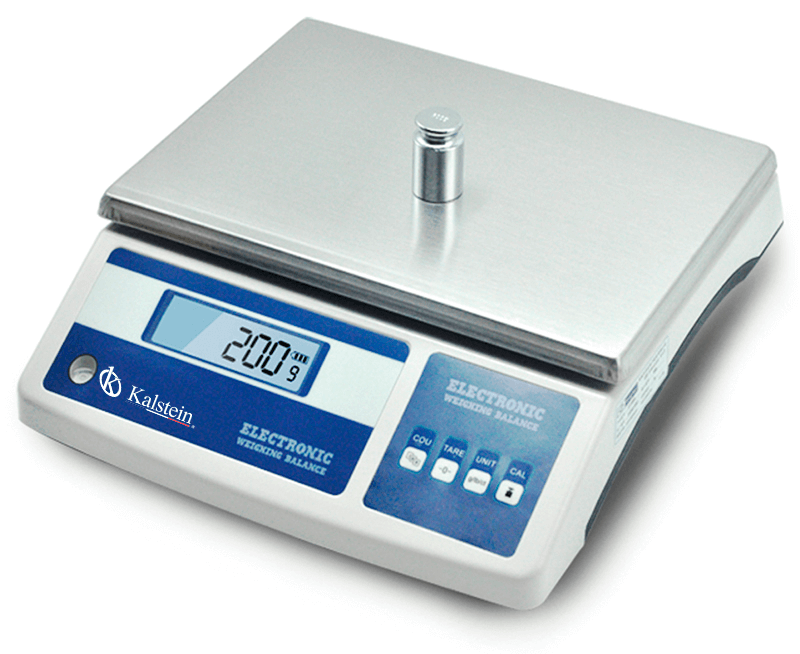
الموازين الصناعية: استدامة الطاقة وتقليل البصمة البيئية في 2026
في بيئات المختبرات، تلعب اختيار المعدات دورًا حاسمًا في استدامة الطاقة وتقليل البصمة البيئية. الموازين الصناعية ليست استثناءً، حيث إنها لا توفر الدقة فحسب، بل تساهم أيضًا في كفاءة الطاقة وتقليل النفايات. تتناول هذه المقالة كيف تتماشى نماذج مختلفة من الموازين الصناعية مع أهداف الاستدامة، مقدمة رؤى حول ميزاتها مع مقارنة فوائدها.
فهم استدامة الطاقة في معدات المختبرات
تشير استدامة الطاقة إلى القدرة على تلبية احتياجات الطاقة الحالية دون المساس بقدرة الأجيال القادمة على تلبية احتياجاتها. بالنسبة لمعدات المختبرات مثل الموازين الصناعية، يعني ذلك استخدام تصاميم موفرة للطاقة، وتقليل استهلاك الطاقة التشغيلية، وتقليل النفايات. يمكن أن تقلل النماذج المصممة بتقنية موفرة للطاقة بشكل كبير من البصمة الطاقية العامة لعمليات المختبر.
تقليل البصمة البيئية باستخدام الموازين الصناعية
يتضمن تقليل البصمة البيئية تقليل الآثار السلبية لممارسات المختبرات على البيئة. تساهم الموازين الصناعية في ذلك من خلال استخدام مواد أكثر استدامة، وتقليل استهلاك الطاقة، وتصميمها لتحمل الاستخدام، مما يطيل من عمرها الافتراضي. تستكشف هذه الفقرة كيف تتعامل نماذج معينة مع هذه القضايا بشكل فعال.
مقارنة النماذج المتاحة
| النموذج | السعة (كجم) | دقة القراءة (جم) | ميزات كفاءة الطاقة | الأفضل للاستخدام |
|---|---|---|---|---|
| YR05606 | 11 | 1 | خيارات طاقة AC و DC، إنذار التحميل الزائد | الاستخدام العام في المختبر |
| YR05607 | 16 | 1 | خيارات طاقة AC و DC، وعاء كبير من الفولاذ المقاوم للصدأ | التطبيقات الثقيلة |
| YR05608 | 21 | 1 | شاشة LCD موفرة للطاقة | الوزن العالي السعة |
| YR05609 | 31 | 1 | مواد صديقة للبيئة | البيئات الصناعية |
| YR05610 | 5.1 | 0.1 | استهلاك طاقة منخفض | المهام الدقيقة |
| YR05611 | 11 | 0.1 | تصميم موفر للطاقة | المختبرات الصغيرة إلى المتوسطة |
كيف تتماشى الموازين الصناعية مع معايير كفاءة الطاقة
الامتثال لمعايير كفاءة الطاقة أمر حاسم للمختبرات التي تهدف إلى الاستدامة. يمكن تصميم الموازين الصناعية لتلبية مختلف الشهادات الطاقية، مثل ENERGY STAR، التي تضمن أن المنتجات تلبي إرشادات صارمة لكفاءة الطاقة. ستستكشف هذه الفقرة كيف تم تصميم نماذج معينة، مثل YR05610، لتحسين استهلاك الطاقة مع الحفاظ على الدقة.
تقييم دورة حياة الموازين الصناعية
تقييم دورة الحياة (LCA) يقيم الأثر البيئي للمنتج من المهد إلى اللحد. بالنسبة للموازين الصناعية، يعني ذلك تقييم الطاقة والموارد المستخدمة في التصنيع، والتشغيل، والتخلص. تكشف الرؤى من تقييمات دورة الحياة أن نماذج مثل YR05609 تستخدم مواد مستدامة تقلل من الأثر البيئي العام طوال دورة حياتها. ستقوم هذه الفقرة بتحليل النتائج من دراسات LCA الأخيرة.
مقاييس استهلاك الطاقة
فهم استهلاك الطاقة للموازين الصناعية أمر حاسم لاتخاذ قرارات شراء مستنيرة. يجب على محترفي المختبرات النظر في الكيلووات-ساعة (kWh) لكل استخدام وكيف يترجم ذلك إلى تكاليف التشغيل. يوضح الجدول التالي تقديرات استهلاك الطاقة للنماذج المختارة:
| النموذج | تقدير kWh في الشهر | تقدير التكلفة السنوية (دولار أمريكي) |
|---|---|---|
| YR05606 | 5 | 60 |
| YR05607 | 7 | 84 |
| YR05608 | 6 | 72 |
| YR05609 | 8 | 96 |
| YR05610 | 4 | 48 |
الأخطاء الشائعة وكيفية تجنبها
عند اختيار الموازين الصناعية، غالبًا ما تتجاهل المختبرات العوامل الرئيسية التي تؤثر على الاستدامة. خطأ شائع هو إعطاء الأولوية للسعر على حساب كفاءة الطاقة. بينما قد تبدو التكاليف الأولية المنخفضة جذابة، فإن النفقات التشغيلية طويلة الأجل لاستهلاك الطاقة يمكن أن تلغي المدخرات الأولية. يجب على المحترفين تقييم التكلفة الإجمالية للملكية (TCO) بدلاً من مجرد سعر الشراء. يمكن أن يساعد تقييم نماذج مثل YR05611، المعروفة بكفاءتها الطاقية، في التخفيف من هذه الأخطاء.
أسئلة شائعة
كيف يمكن أن تساعد الموازين الصناعية في تقليل الأثر البيئي في المختبرات؟
تستخدم الموازين الصناعية مثل YR05609 مواد صديقة للبيئة وتصاميم موفرة للطاقة، مما يقلل بشكل كبير من استهلاك الطاقة وتوليد النفايات، وبالتالي يساهم في تقليل الأثر البيئي.
ما هي معايير كفاءة الطاقة التي يجب أن أ考虑ها للموازين الصناعية في 2026؟
في عام 2026، ابحث عن الموازين الصناعية التي تلبي معايير ENERGY STAR، مثل YR05610، والتي تضمن الامتثال لإرشادات كفاءة الطاقة الصارمة للمساعدة في تقليل تكاليف التشغيل.
كيف أحسب التكلفة الإجمالية للملكية للموازين الصناعية؟
تشمل التكلفة الإجمالية للملكية سعر الشراء، والصيانة، وتكاليف الطاقة. النماذج مثل YR05611 موفرة للطاقة، مما يسمح بتكاليف تشغيل أقل، وبالتالي تقليل TCO مع مرور الوقت.
ما هي أفضل نماذج الموازين الصناعية لاستدامة الطاقة في 2026؟
تعتبر YR05606 و YR05610 من بين أفضل النماذج لاستدامة الطاقة في 2026، حيث تتميز باستهلاك منخفض للطاقة وتشغيل فعال، مما يجعلها مثالية للمختبرات التي تهتم بالبيئة.
كيف يؤثر اختيار المواد على استدامة الميزان الصناعي؟
تم تصميم نماذج مثل YR05609 باستخدام مواد مستدامة تقلل من الأثر البيئي أثناء الإنتاج والتخلص، مما يساهم في الاستدامة العامة في بيئات المختبر.
ما الميزات التي يجب أن أعطيها الأولوية لكفاءة الطاقة في الموازين المختبرية؟
أعط الأولوية للموازين الصناعية التي تحتوي على ميزات مثل خيارات الطاقة AC و DC والشاشات الموفرة للطاقة، مثل تلك الموجودة في YR05607، لتعزيز كفاءة الطاقة في عمليات المختبر.
كم مرة يجب معايرة الموازين الصناعية لتحقيق الأداء الأمثل؟
تعتمد فترات المعايرة عادةً على الاستخدام، ولكن لضمان الدقة المستمرة، يجب معايرة نماذج مثل YR05608 على الأقل مرة واحدة في السنة لضمان الأداء الأمثل وكفاءة الطاقة.
ما هي فوائد استخدام الموازين الصناعية ذات التصاميم الصديقة للبيئة؟
تقلل التصاميم الصديقة للبيئة، مثل تلك الموجودة في YR05610، من استهلاك الطاقة والنفايات، مما يوفر مدخرات على المدى الطويل ويدعم أهداف الاستدامة في بيئات المختبر.
لمن يفكر في الشراء، لا تتردد في طلب عرض أسعار على Kalstein Plus لأحدث الموازين الصناعية مع ميزات استدامة طاقة ممتازة.
إذا كنت تبحث عن مزيج من الابتكار والجودة، فقد جئت إلى المكان الصحيح. في Kalstein، نقدم لك رفاهية استكشاف كتالوجنا الحصري لمعدات المختبر. نحن نصنع كل جهاز وفقًا لأعلى معايير التميز. قنوات الشراء عبر الإنترنت لدينا مصممة لراحتك، مما يضمن لك أفضل الأسعار التنافسية. لا تتردد أكثر — نحن نجلب العلم إلى الحياة، حان الوقت لتكون جزءًا من مجتمعنا.