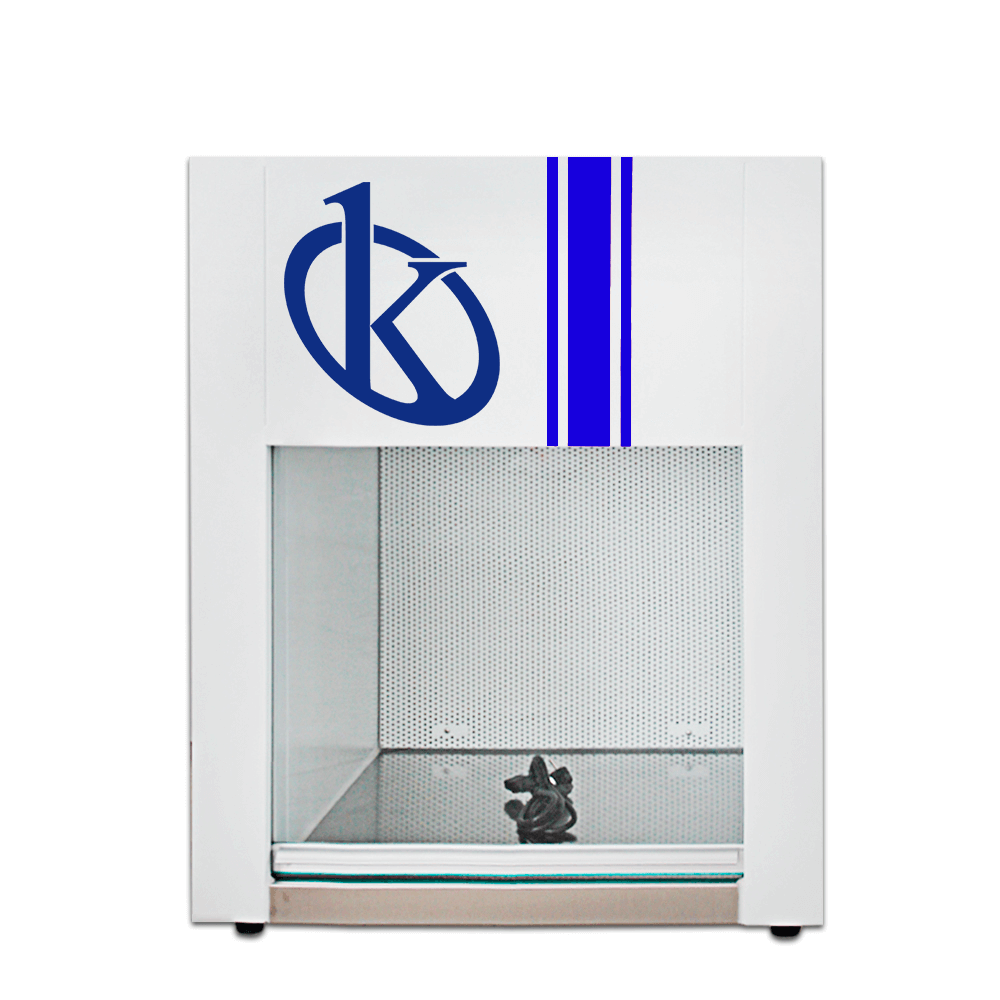
الأكشاك النظيفة بتدفق هواء أفقي: تحليل العائد على الاستثمار وتحليل التكلفة والفائدة للمختبر 2026
في مجال معدات المختبرات، تلعب الأكشاك النظيفة بتدفق هواء أفقي دورًا حاسمًا في الحفاظ على بيئة معقمة ضرورية لمختلف التطبيقات العلمية. مع مواجهة المختبرات لقيود الميزانية المتزايدة والحاجة إلى الكفاءة التشغيلية، فإن فهم العائد على الاستثمار (ROI) وإجراء تحليل التكلفة والفائدة أمر ضروري لاختيار النموذج المناسب. يتناول هذا المقال الآثار المالية المرتبطة بعدة نماذج من الأكشاك النظيفة بتدفق هواء أفقي المتاحة في 2026، مع التركيز على فعاليتها وعوامل التكلفة والقيمة العامة للمهنيين في المختبرات.
فهم الآثار المالية للأكشاك النظيفة بتدفق هواء أفقي
تتأثر القرارات المالية المتعلقة بشراء معدات المختبرات بعدة عوامل، بما في ذلك التكاليف الأولية، والنفقات التشغيلية، والعمر المتوقع للمعدات. بالنسبة للأكشاك النظيفة بتدفق هواء أفقي، من الضروري تقييم ليس فقط سعر الشراء ولكن أيضًا التكاليف المستمرة المتعلقة بالصيانة، واستهلاك الطاقة، والوقت المحتمل للتوقف.
مقارنة النماذج المتاحة
| رمز النموذج | التكلفة الرأسمالية (دولار أمريكي) | تكلفة التشغيل شهريًا (دولار أمريكي) | فترة الاسترداد (شهور) | أفضل حالة استخدام |
|---|---|---|---|---|
| YR05723 | 240.00 | 30.00 | 8 | مختبرات صغيرة تتطلب حلول منخفضة التكلفة |
| YR05724 | 300.00 | 35.00 | 9 | الاستخدامات البحثية والأكاديمية العامة |
| YR05726 | 420.00 | 45.00 | 10 | مختبرات متوسطة الحجم ذات إنتاجية معتدلة |
| YR05727 | 650.00 | 50.00 | 12 | مختبرات كبيرة ذات طلبات عالية الحجم |
| YR05728 | 660.00 | 55.00 | 11 | تطبيقات متخصصة تحتاج إلى ميزات محسنة |
| YR05729 | 1020.00 | 70.00 | 14 | تطبيقات عالية المستوى تحتاج إلى متطلبات امتثال صارمة |
تحليل الاستثمار الأولي واعتبارات التكلفة الرأسمالية
عند الاستثمار في الأكشاك النظيفة بتدفق هواء أفقي، تعتبر التكلفة الرأسمالية (CAPEX) عاملًا حاسمًا. يقدم كل نموذج تكلفة أولية مختلفة، مما يؤثر على إجمالي الاستثمار. على سبيل المثال، يتم تسعير نموذج YR05723 بـ 240 دولارًا، مما يجعله خيارًا مناسبًا للمختبرات ذات الميزانيات المحدودة. في المقابل، فإن نموذج YR05729، بسعر 1020 دولارًا، هو أفضل ملاءمة للمختبرات ذات الحركة العالية التي تتطلب ميزات قوية.
تكاليف التشغيل وتأثيرها على الربحية
تلعب تكاليف التشغيل دورًا كبيرًا في الربحية العامة للأكشاك النظيفة بتدفق هواء أفقي. يمكن أن تختلف النفقات الشهرية، بما في ذلك استهلاك الطاقة، والصيانة، والمواد الاستهلاكية، بشكل كبير بين النماذج المختلفة. على سبيل المثال، يتحمل نموذج YR05723 تكلفة تشغيل شهرية تبلغ حوالي 30 دولارًا، بينما يمكن أن يصل نموذج YR05729 إلى 70 دولارًا شهريًا. يساعد فهم هذه التكاليف المختبرات على قياس التأثير المالي طويل الأجل لاستثمارهم.
فترة الاسترداد: مقياس رئيسي للعائد على الاستثمار
فترة الاسترداد هي مقياس أساسي لتقييم العائد على الاستثمار لمعدات المختبرات. تشير إلى مدى سرعة استرداد الاستثمار الأولي من خلال المدخرات أو زيادة الإنتاجية. تعتبر النماذج مثل YR05723، التي تقدم فترة استرداد تبلغ 8 أشهر فقط، جذابة للمختبرات التي تركز على الميزانية. على العكس من ذلك، فإن النماذج الأكثر تكلفة مثل YR05729 لديها فترات استرداد أطول، مما يعكس قدراتها المتقدمة.
عوامل الصيانة طويلة الأجل والاستدامة
يجب ألا يتم تجاهل تكاليف الصيانة طويلة الأجل عند حساب العائد على الاستثمار للأكشاك النظيفة بتدفق هواء أفقي. تعتبر الصيانة الدورية ضرورية لضمان الأداء الأمثل والامتثال لمعايير السلامة. قد تتكبد النماذج مثل YR05727 وYR05728، المصممة بمواد متينة، تكاليف صيانة أقل على مدار عمرها، مما يوفر قيمة إضافية للمختبر.
الأخطاء الشائعة وكيفية تجنبها
أحد الأخطاء الشائعة التي ترتكبها المختبرات هو التقليل من تقدير التكلفة الإجمالية للملكية (TCO). تشمل TCO تكاليف الشراء الأولية، والنفقات التشغيلية، ونفقات الصيانة. خطأ آخر هو إهمال تقييم الاحتياجات المحددة للمختبر قبل اختيار كشك نظيف. من الضروري مراعاة عوامل مثل حجم المختبر، ونوع العمل المنجز، ومتطلبات الامتثال.
أسئلة شائعة
ما هو العائد على الاستثمار لنموذج YR05724 للأكشاك النظيفة بتدفق هواء أفقي في 2026؟
يمكن حساب العائد على الاستثمار لنموذج YR05724، الذي يتم تسعيره بـ 300 دولار، بناءً على التكاليف التشغيلية المتوقعة وزيادات الإنتاجية. تجعل فترة الاسترداد التي تبلغ 9 أشهر منه خيارًا فعالًا للمختبرات التي تركز على تخصيص الموارد بشكل منهجي.
كيف يقارن نموذج YR05729 من حيث كفاءة الطاقة للمختبرات؟
يقدم نموذج YR05729 ميزات كفاءة طاقة قوية، مما يحسن الأداء مع استهلاك 640 واط. هذا النموذج مناسب للمختبرات الكبيرة التي تعطي الأولوية لكل من الامتثال والحفاظ على الطاقة في عملياتها.
أي نموذج هو الأفضل لميزانية مختبر صغير في 2026؟
يعتبر نموذج YR05723 هو الخيار الأكثر ملاءمة للميزانية، حيث تبلغ التكلفة الرأسمالية 240 دولارًا وتكاليف التشغيل منخفضة، مما يجعله مثاليًا للمختبرات الصغيرة التي تبحث عن حلول تدفق هواء فعالة.
ما هي متطلبات الصيانة لنموذج YR05727؟
يتطلب نموذج YR05727 صيانة دورية للحفاظ على معايير أدائه. يشمل ذلك استبدال الفلاتر والفحوصات الدورية، لضمان الامتثال لمعايير غرفة نظيفة من الفئة 100.
كيف يمكنني تحديد أفضل كشك نظيف بتدفق هواء أفقي لمختبري؟
لاختيار أفضل نموذج، قم بتقييم احتياجات مختبرك المحددة، بما في ذلك المساحة، وحجم العمل، ومتطلبات الامتثال. استخدم جدول المقارنة لتقييم النماذج بناءً على التكلفة الرأسمالية وتكاليف التشغيل.
ما هي العوامل التي تؤثر على تكاليف التشغيل للأكشاك النظيفة بتدفق هواء أفقي؟
تتأثر تكاليف التشغيل بعدة عوامل، بما في ذلك استهلاك الطاقة، وتكرار الصيانة، وتكلفة المواد الاستهلاكية. تساعد النماذج مثل YR05726 في تحسين هذه النفقات من خلال التصميم الفعال.
لماذا تعتبر فترة الاسترداد مهمة لاستثمارات معدات المختبرات؟
تعتبر فترة الاسترداد حاسمة لفهم المدة التي تستغرقها لاسترداد الاستثمار في معدات المختبرات. تساعد المختبرات في تقييم الجدوى المالية للنماذج مثل YR05728، التي لديها فترة استرداد تبلغ 11 شهرًا.
كيف يعمل نموذج YR05723 من حيث الإنتاجية؟
يمكن أن يعزز نموذج YR05723، بتصميمه الفعال، الإنتاجية في المختبرات الصغيرة، مما يوفر بيئة نظيفة موثوقة مع الحفاظ على فعالية التكلفة.
إذا كنت تبحث عن دمج الابتكار والجودة، فقد جئت إلى المكان الصحيح. في Kalstein، نقدم لك رفاهية استكشاف كتالوجنا الحصري لمعدات المختبرات. نحن نصنع كل جهاز وفقًا لأعلى معايير التميز. تم تصميم قنوات الشراء عبر الإنترنت لدينا لتكون سهلة وسلسة من أجلك، مما يضمن لك الحصول على أفضل الأسعار التنافسية. لا تتردد أكثر — نحن نجلب العلم إلى الحياة، حان الوقت لتكون جزءًا من مجتمعنا.