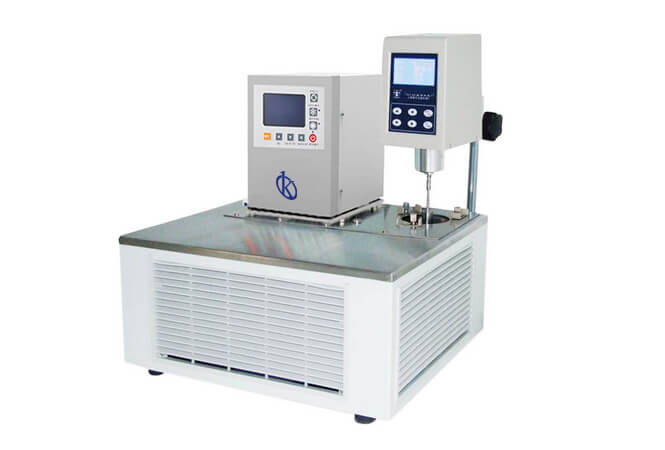
Energy Sustainability and Environmental Footprint Reduction in Bath Circulators 2026
In the realm of laboratory equipment, bath circulators play a pivotal role in temperature control for various applications, including chemical synthesis, biological experiments, and electronic testing. As the focus on energy sustainability and reducing environmental footprints intensifies, it becomes essential for laboratory professionals to choose devices that not only fulfill their technical requirements but also align with eco-friendly practices. This article delves into the diverse models of bath circulators, analyzing their specifications against the backdrop of energy efficiency and environmental impact.
Understanding Energy Sustainability in Bath Circulators
Energy sustainability refers to the ability to meet current energy needs without compromising future generations' ability to meet theirs. In the context of bath circulators, this involves selecting equipment that minimizes energy consumption while maintaining performance. For instance, models like the YR04985 and YR04999 feature advanced PID temperature control, ensuring precise temperature management while reducing energy waste.
Impact of Bath Circulators on Environmental Footprint
The environmental footprint of laboratory equipment includes not only energy usage but also material waste, water consumption, and end-of-life disposability. Bath circulators, designed with durable materials such as stainless steel, can significantly reduce service lifetime waste. Furthermore, models equipped with efficient cooling compressors, like the YR04996, contribute to lower energy consumption and reduced greenhouse gas emissions throughout their operational life.
Comparison of Available Models
| Model | Temperature Range (°C) | Stability (°C) | Power Consumption (W) | Price (USD) |
|---|---|---|---|---|
| YR04985 | -5 to 99.9 | ±0.1 | 1000 | 583.00 |
| YR04999 | -30 to 100 | ±0.05 | 1367 | 1367.00 |
| YR04996 | -5 to 100 | ±0.05 | 867 | 867.00 |
| YR04988 | -20 to 100 | ±0.05 | 617 | 617.00 |
| YR04989 | -30 to 100 | ±0.05 | 717 | 717.00 |
| YR04986 | -5 to 100 | ±0.05 | 500 | 500.00 |
Common Mistakes and How to Avoid Them
When investing in bath circulators, laboratory professionals often overlook the significance of energy efficiency ratings. Selecting models that consume high energy can lead to increased operational costs and higher environmental impact. For example, opting for the YR04999, despite its advanced features, may not be ideal if budget constraints are strict. It is crucial to balance specifications with energy consumption and costs to ensure long-term sustainability.
Energy Efficiency Features in Bath Circulators
Modern bath circulators are increasingly designed to be energy-efficient. For example, units featuring PID control systems optimize the heating and cooling processes, reducing unnecessary energy expenditure. The YR04985, with its high-quality compressor and low noise emissions, not only provides efficient heating but also contributes to lower energy consumption rates. Implementing such technologies can yield substantial savings over time, making a significant difference in the overall laboratory energy footprint.
Lifecycle Assessment of Bath Circulators
A lifecycle assessment (LCA) evaluates the environmental impacts associated with all stages of a product's life, from raw material extraction through to disposal. Bath circulators constructed from sustainable materials, such as the stainless steel used in the YR04996, have lower environmental impacts throughout their lifecycle. Conducting an LCA can help laboratory professionals make informed decisions about which models to purchase based on their environmental costs.
Water and Resource Conservation in Bath Circulators
Water usage in laboratories is a critical concern, particularly in bath circulators that rely on liquids for temperature stabilization. Models equipped with features like closed-loop systems can conserve water significantly. In contrast, traditional models that require constant water replenishment can lead to waste. The YR04999 offers a closed-loop system, which minimizes water usage while ensuring optimal performance.
Energy Consumption Metrics for 2026
Understanding the kWh per operation of bath circulators is vital for laboratories aiming for sustainability. For instance, the energy consumption metrics of various models can guide professionals in selecting the most efficient equipment. The table below provides insights into the estimated energy consumption based on different usage scenarios:
| Model | Annual Usage (hrs) | kWh per Hour | Total Annual kWh |
|---|---|---|---|
| YR04985 | 1000 | 1.0 | 1000 |
| YR04999 | 1000 | 1.367 | 1367 |
| YR04996 | 1000 | 0.867 | 867 |
| YR04988 | 1000 | 0.617 | 617 |
| YR04989 | 1000 | 0.717 | 717 |
| YR04986 | 1000 | 0.500 | 500 |
Frequently Asked Questions
How can I ensure my bath circulator is energy efficient in 2026?
To ensure energy efficiency in your bath circulator, consider models like the YR04996, which features advanced PID control for optimal energy use. Additionally, check the product specifications for power consumption rates and choose models that minimize energy waste while providing reliable performance.
What are the key environmental features of the YR04999 bath circulator?
The YR04999 model emphasizes environmental sustainability through its low energy consumption and advanced cooling technology. It also features a systems design that reduces greenhouse gas emissions, making it a suitable choice for laboratories focused on minimizing their environmental footprint.
Which bath circulator model offers the best water conservation features?
The YR04999 bath circulator is designed with a closed-loop system that significantly reduces water usage compared to traditional models. This feature makes it an ideal option for laboratories aiming to conserve resources while maintaining high performance.
How does the YR04985 compare in terms of energy consumption?
The YR04985 consumes approximately 1000 kWh annually under typical usage, which is competitive among its peers. Its efficient heating and cooling mechanisms contribute to its overall energy sustainability, making it a smart choice for labs focused on minimizing energy costs.
What are the advantages of stainless steel in bath circulators?
Stainless steel, as used in models like the YR04996, offers durability and resistance to corrosion, which extends the life of the equipment. This longevity reduces the frequency of replacements, thereby minimizing waste and contributing to a lower environmental footprint.
How does energy efficiency impact the operational costs of bath circulators?
Energy-efficient models, such as the YR04988, significantly lower operational costs by reducing electricity consumption. This leads to savings over time, making these models a cost-effective choice for laboratories looking to manage their budgets while maintaining high performance.
What features should I look for in a sustainable bath circulator?
When selecting a sustainable bath circulator, prioritize models like the YR04999 that incorporate energy-efficient technologies, closed-loop water systems, and durable materials. These features collectively contribute to reduced environmental impact and lower operational costs.
How can I assess the lifecycle impact of my bath circulator?
To assess your bath circulator’s lifecycle impact, consider conducting a lifecycle assessment (LCA) that evaluates energy consumption, material usage, and end-of-life disposal. Models such as the YR04986 made from sustainable materials provide an advantage in minimizing overall environmental impacts.
If you are looking for a fusion of innovation and quality, you have come to the right place. At Kalstein, we offer you the luxury of exploring our exclusive catalog of laboratory equipment. We manufacture every device to the highest standards of excellence. Our intuitive and seamless online purchasing channels are designed for your convenience, securing the most competitive prices. Hesitate no longer — we bring science to life, it is time to become part of our community.