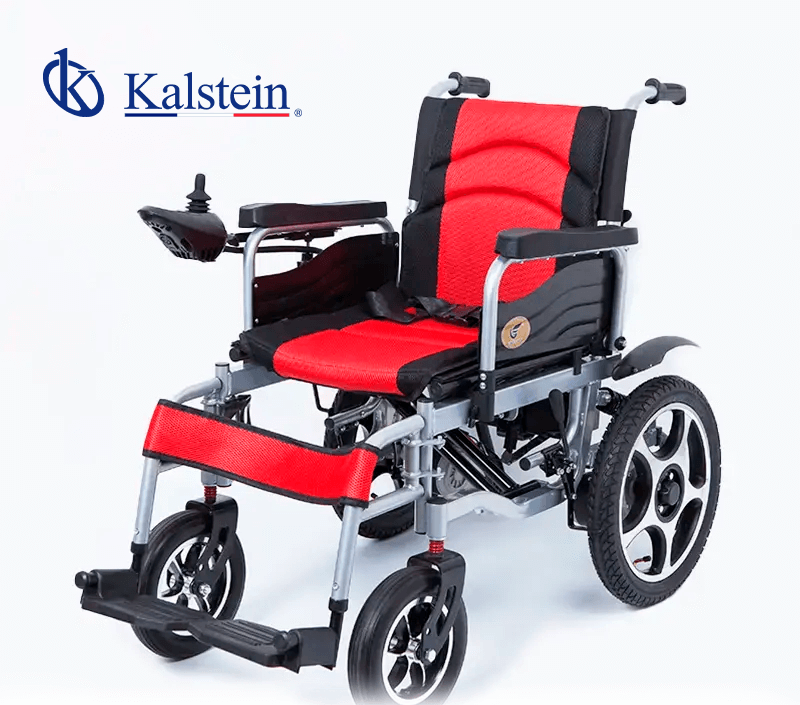
الكراسي المتحركة الكهربائية: الامتثال لمعايير ISO/IEC والمعايير التنظيمية لعام 2026
مع تطور سوق الكراسي المتحركة الكهربائية، يصبح الامتثال لمعايير ISO/IEC أمرًا أساسيًا للمصنعين ومقدمي الرعاية الصحية. يضمن الامتثال السلامة والموثوقية، كما يلبي الاحتياجات المحددة للمستخدمين، خاصة من حيث الوصول والحركة. تتناول هذه المقالة أهمية الامتثال لمعايير ISO/IEC بشكل خاص للكراسي المتحركة الكهربائية، مع فحص النماذج المختلفة المتاحة في عام 2026.
فهم الامتثال لمعايير ISO/IEC في الكراسي المتحركة الكهربائية
تضع ISO (المنظمة الدولية للتوحيد القياسي) وIEC (اللجنة الكهروتقنية الدولية) إرشادات إلزامية يجب على المصنعين الالتزام بها. هذه المعايير ضرورية لضمان أن الكراسي المتحركة الكهربائية تلبي معايير السلامة والأداء، مما يحمي المستخدمين ويعزز تجربتهم في الحركة. يعزز الامتثال لهذه المعايير الثقة والموثوقية في قطاع الرعاية الصحية.
المعايير الرئيسية لمعايير ISO/IEC المتعلقة بالكراسي المتحركة الكهربائية
تلعب عدة معايير ISO/IEC دورًا حاسمًا في تنظيم الكراسي المتحركة الكهربائية. تشمل هذه:
- ISO 13485: أنظمة إدارة جودة الأجهزة الطبية.
- IEC 60601: المتطلبات العامة للسلامة الأساسية والأداء الأساسي.
- ISO 7176: الكراسي المتحركة - طرق الاختبار.
- IEC 62061: سلامة الآلات - السلامة الوظيفية للأنظمة الكهربائية والإلكترونية والبرمجية المتعلقة بالسلامة.
كل من هذه المعايير تتناول جوانب فريدة من التصميم والسلامة والأداء التي تعتبر حاسمة للكراسي المتحركة الكهربائية.
أهمية الامتثال لمصنعي الكراسي المتحركة الكهربائية
لا يضمن الامتثال فقط أن الكراسي المتحركة الكهربائية آمنة للمستخدمين، بل يمنح أيضًا المصنعين ميزة تنافسية. يسمح للشركات بتسويق منتجاتها بفعالية مع إظهار الالتزام بالجودة والسلامة. علاوة على ذلك، يقلل الامتثال من مخاطر المسؤولية ويعزز رضا العملاء من خلال تقديم منتجات موثوقة وآمنة.
وثائق الامتثال وقائمة التحقق من التدقيق
بالنسبة للمصنعين، يتطلب الحفاظ على الامتثال وثائق صارمة وتدقيقات منتظمة. فيما يلي قائمة تحقق موجزة للمساعدة في ضمان الالتزام التنظيمي:
- نظام إدارة الجودة موثق وفقًا لـ ISO 13485.
- اختبار منتظم للمنتجات للامتثال لـ ISO 7176.
- تدقيقات دورية للتحقق من الالتزام بـ IEC 60601.
- سجلات محدثة لتقييمات المخاطر وخطط الإدارة.
تعتبر هذه الخطوات حاسمة للحفاظ على الامتثال وضمان سلامة المستخدمين.
مقارنة النماذج المتاحة
| النموذج | بنود ISO/IEC المغطاة | ميزات تتبع | أفضل للاستخدام |
|---|---|---|---|
| YR05440 | ISO 13485، IEC 60601 | رقم تسلسلي فريد، تتبع دفعة الإنتاج | نقل خفيف الوزن |
| YR05441 | ISO 7176، IEC 62061 | تسجيل مدمج لبيانات الأداء | تصميم قابل للإمالة للراحة |
| YR05442 | ISO 13485، IEC 60601 | تتبع GPS لتحليل الحركة | قابلية التكيف مع التضاريس |
| YR05443 | ISO 7176، IEC 62061 | قدرة التشخيص عن بُعد | تحكم آلي |
| YR05444 | ISO 13485، IEC 60601 | اتصال Bluetooth للتحديثات | حلول شحن متنقلة |
| YR05445 | ISO 7176، IEC 62061 | أنظمة مراقبة ذكية | تصميم مدمج للاستخدام الحضري |
الأخطاء الشائعة وكيفية تجنبها
عندما يتعلق الأمر بالامتثال والتنظيم في الكراسي المتحركة الكهربائية، غالبًا ما يرتكب المصنعون أخطاء كبيرة. إليك بعض الأخطاء الشائعة:
- تجاهل الوثائق: الفشل في الحفاظ على سجلات صحيحة يمكن أن يؤدي إلى مشاكل في الامتثال. تأكد من أن جميع الوثائق دقيقة ومحدثة.
- عدم وجود تدقيقات منتظمة: التدقيقات المنتظمة ضرورية للحفاظ على الامتثال. قم بجدولتها بشكل دوري.
- إهمال ملاحظات المستخدمين: الفشل في دمج ملاحظات المستخدمين يمكن أن يؤدي إلى فرص مفقودة لتحسين السلامة.
من خلال الوعي بهذه الأخطاء الشائعة، يمكن للمصنعين تعزيز جهودهم في الامتثال بشكل كبير.
الأسئلة الشائعة
ما هي المعايير الرئيسية لمعايير ISO/IEC التي تؤثر على الكراسي المتحركة الكهربائية في عام 2026؟
تشمل المعايير الرئيسية لمعايير ISO/IEC التي تؤثر على الكراسي المتحركة الكهربائية في عام 2026 ISO 13485 لأنظمة إدارة الجودة، وIEC 60601 لأداء السلامة، وISO 7176 لطرق الاختبار. تضمن هذه المعايير أن النماذج مثل YR05440 وYR05445 تقدم حلول حركة آمنة وموثوقة.
كيف يفيد الامتثال لمعيار ISO 13485 مصنعي الكراسي المتحركة الكهربائية؟
يسمح الامتثال لمعيار ISO 13485 لمصنعي الكراسي المتحركة الكهربائية بتحسين عمليات إدارة الجودة وزيادة موثوقية المنتج. تستفيد النماذج مثل YR05441 وYR05442، التي تتوافق مع هذا المعيار، من زيادة قابلية التسويق وثقة المستخدمين.
أي نموذج من الكراسي المتحركة الكهربائية هو الأفضل للتضاريس الوعرة وفقًا للامتثال لـ IEC؟
وفقًا للامتثال لـ IEC، يتفوق نموذج YR05442 في التضاريس الوعرة، حيث يوفر استقرارًا وأداءً معززين. إنه يفي بالمعايير الحاسمة مثل ISO 7176، مما يضمن السلامة والموثوقية في بيئات مختلفة.
ما هي مشكلات الامتثال الشائعة التي يواجهها مصنعي الكراسي المتحركة الكهربائية؟
تشمل مشكلات الامتثال الشائعة إجراءات الاختبار غير الكافية، والوثائق غير الكافية، وإهمال ملاحظات سلامة المستخدمين. يعد معالجة هذه الأمور أمرًا حيويًا لضمان أن النماذج مثل YR05444 وYR05443 تلبي متطلبات ISO/IEC.
كيف يمكن لمصنعي الكراسي المتحركة الكهربائية التحقق من الامتثال لـ IEC 60601؟
يمكن للمصنعين التحقق من الامتثال لـ IEC 60601 من خلال إجراءات اختبار صارمة وعمليات اعتماد، والتي تشمل تقييمات السلامة وتقييمات الأداء للنماذج مثل YR05440 وYR05441.
ما تأثير الامتثال على أسعار الكراسي المتحركة الكهربائية في السوق؟
يؤثر الامتثال لمعايير ISO/IEC بشكل كبير على أسعار الكراسي المتحركة الكهربائية، حيث تؤدي تكاليف الامتثال الأعلى عادةً إلى ارتفاع أسعار المنتجات. ومع ذلك، غالبًا ما تبرر النماذج مثل YR05445 الأسعار الأعلى من خلال تقديم سلامة وموثوقية معززة.
ما هو دور ملاحظات المستخدمين في الحفاظ على الامتثال للكراسي المتحركة الكهربائية؟
تلعب ملاحظات المستخدمين دورًا حيويًا في الحفاظ على الامتثال من خلال تحديد المشكلات المحتملة في السلامة وتحسينات الأداء. تستفيد نماذج الكراسي المتحركة الكهربائية مثل YR05443 من تغييرات التصميم التكرارية بناءً على مدخلات المستخدم لضمان الامتثال المستمر.
الخاتمة
في الختام، يعد الامتثال لمعايير ISO/IEC أمرًا حيويًا في صناعة الكراسي المتحركة الكهربائية. يعزز الحفاظ على هذه المعايير السلامة والموثوقية ورضا المستخدمين، بينما يضمن أيضًا أن يفي المصنعون بالمتطلبات التنظيمية. مع اقترابنا من عام 2026، من الضروري أن يركز المصنعون على الامتثال للحفاظ على الثقة والجودة في عروضهم.
إذا كنت تبحث عن مزيج من الابتكار والجودة، فقد جئت إلى المكان الصحيح. في Kalstein، نقدم لك رفاهية استكشاف كتالوجنا الحصري من معدات المختبرات. نحن نصنع كل جهاز وفقًا لأعلى معايير التميز. تم تصميم قنوات الشراء عبر الإنترنت لدينا لتكون مريحة لك، مما يضمن لك أفضل الأسعار التنافسية. لا تتردد أكثر — نحن نجلب العلم إلى الحياة، حان الوقت لتكون جزءًا من مجتمعنا.