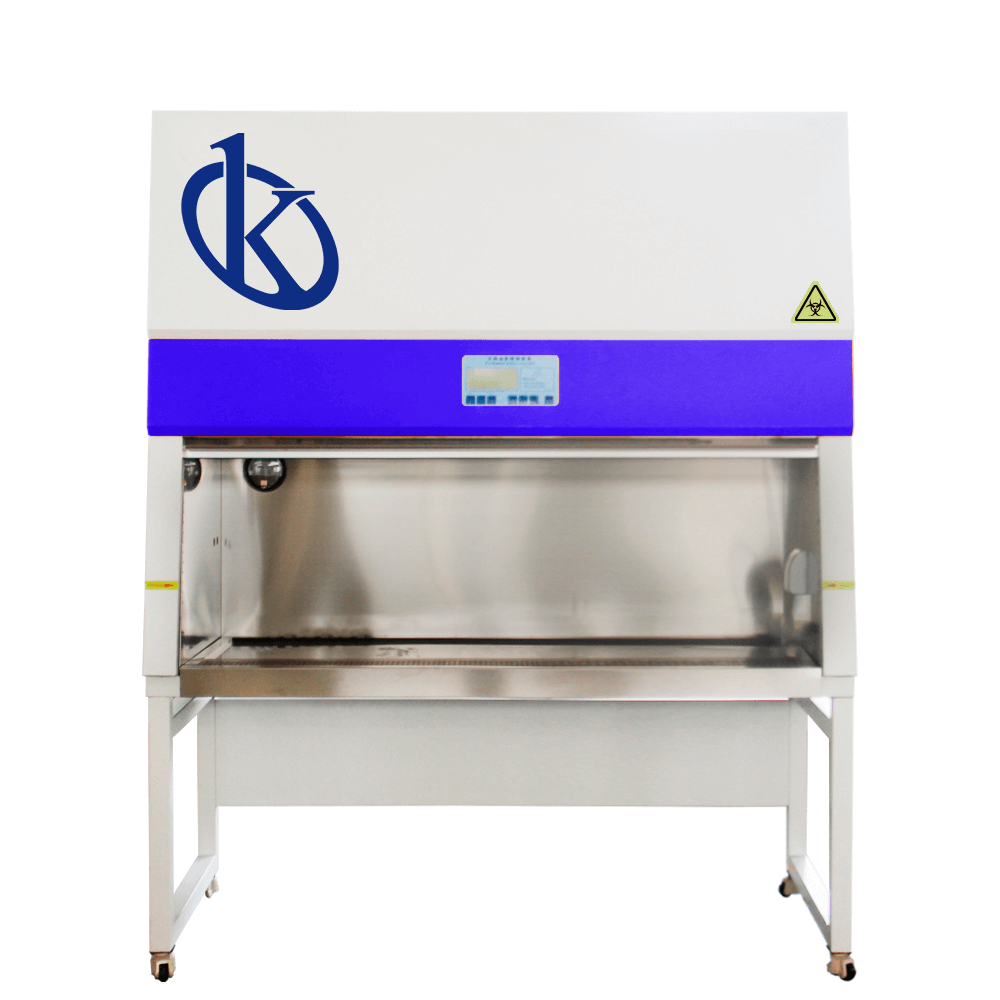
خزائن الأمان الحيوي من الفئة الثانية: استدامة الطاقة وتقليل البصمة البيئية 2026
مع تزايد اهتمام العالم بالاستدامة، لا تعتبر المختبرات استثناءً. الطلب على الحلول الموفرة للطاقة أعلى من أي وقت مضى، خاصة في خزائن الأمان الحيوي التي تحمي كل من المشغلين والبيئة. يركز هذا المقال على خزائن الأمان الحيوي من الفئة الثانية، مع التأكيد على استدامة الطاقة واستراتيجيات تقليل البصمة البيئية. سنستكشف نماذج متنوعة، ميزاتها، وكيف يمكن أن تساعد المختبرات في تحقيق أهدافها الاستدامة في 2026.
فهم خزائن الأمان الحيوي من الفئة الثانية
تلعب خزائن الأمان الحيوي (BSCs) دورًا حيويًا في ضمان بيئة عمل آمنة عند التعامل مع المواد الخطرة. تم تصميم خزائن الفئة الثانية لتوفير حماية للمنتجات وسلامة الأفراد، مما يجعلها ضرورية في المختبرات التي تتعامل مع العوامل البيولوجية. تستخدم هذه الخزائن مزيجًا من تدفق الهواء العمودي والتصفية HEPA لمنع التلوث. ومع ذلك، مع تزايد استهلاك الطاقة كعامل حاسم، فإن فهم كيفية مساهمة النماذج المختلفة في استدامة الطاقة أمر بالغ الأهمية.
استدامة الطاقة في خزائن الأمان الحيوي
تشمل استدامة الطاقة في خزائن الأمان الحيوي استخدام طاقة أقل مع الحفاظ على أداء عالٍ. يمكن تحقيق ذلك من خلال ميزات التصميم التي تعزز كفاءة الطاقة، مثل أنظمة تدفق الهواء المحسّنة، والإضاءة منخفضة الطاقة، وتقنيات التصفية المتقدمة. يمكن للمختبرات تقليل استهلاكها للطاقة بشكل كبير، مما يقلل من تكاليف التشغيل ويقلل من تأثيرها البيئي.
تقليل البصمة البيئية مع خزائن الفئة الثانية
تقليل البصمة البيئية يتجاوز توفير الطاقة؛ فهو يشمل إدارة النفايات، والحفاظ على الموارد، وتقييم دورة الحياة. تساهم كل نموذج من خزائن الأمان الحيوي من الفئة الثانية بشكل مختلف في هذه الجوانب. من خلال اختيار خزائن تعطي الأولوية للاستدامة، يمكن للمختبرات تحسين تأثيرها البيئي والتوافق مع الأهداف العالمية للاستدامة.
مقارنة النماذج المتاحة
| النموذج | استهلاك الطاقة (واط) | كفاءة فلتر HEPA (%) | السعر (دولار أمريكي) | الأفضل لـ |
|---|---|---|---|---|
| YR05704 | 400 | 99.995 | 1600.00 | الاستخدام العام في المختبرات |
| YR05705 | 500 | 99.995 | 1650.00 | التطبيقات الميكروبيولوجية |
| YR05706 | 600 | 99.995 | 2150.00 | المواد عالية المخاطر |
| YR0090-A | 600 | 99.995 | 1260.00 | إعدادات المختبر الصغيرة |
| YR05270 | 700 | 99.995 | 2750.00 | البحث المتقدم |
| YR05271 | 700 | 99.995 | البيئات الملوثة بشدة |
الأخطاء الشائعة وكيفية تجنبها
غالبًا ما يرتكب المحترفون في المختبرات أخطاء في اختيار خزائن الأمان الحيوي بناءً على التكاليف الأولية بدلاً من فوائد الاستدامة على المدى الطويل. من الضروري تقييم التكلفة الإجمالية للملكية، والتي تشمل استهلاك الطاقة والصيانة. يمكن أن يؤدي اختيار نماذج تتميز بأنظمة تدفق هواء فعالة، مثل YR05270، إلى تقليل تكاليف الطاقة بشكل كبير على مر الزمن.
استراتيجيات لتحقيق استدامة الطاقة
لتحقيق استدامة الطاقة في بيئات المختبرات، ضع في اعتبارك تنفيذ الاستراتيجيات التالية:
- تنفيذ روتين صيانة منتظمة لضمان الأداء الأمثل.
- استخدام أنظمة إضاءة موفرة للطاقة داخل الخزائن.
- الاستثمار في أنظمة تحكم آلية تضبط تدفق الهواء بناءً على الظروف الفعلية.
- مراقبة استهلاك الطاقة باستمرار لتحديد مجالات التحسين.
تقييم دورة الحياة والأثر البيئي
يمكن أن يساعد تقييم دورة الحياة (LCA) المختبرات على فهم الأثر البيئي لخزائن الأمان الحيوي الخاصة بها من التصنيع حتى التخلص. من خلال اختيار نماذج مثل YR05705 التي تركز على المواد المتينة وعمليات التصنيع الفعالة، يمكن للمختبرات أن تساهم بشكل إيجابي في الاستدامة البيئية.
أسئلة شائعة
ما هو استهلاك الطاقة لخزان الأمان الحيوي YR05706 مقارنةً بالآخرين في 2026؟
يبلغ استهلاك الطاقة لخزان الأمان الحيوي YR05706 600 واط، وهو متماشي مع نماذج أخرى مثل YR05705 عند 500 واط وYR05271 عند 700 واط. تم تصميم هذا النموذج للمواد عالية المخاطر، مما يجعله مناسبًا للمختبرات التي تركز على استدامة الطاقة في 2026.
كيف يساهم YR05270 في تقليل البصمة البيئية لمختبري؟
يتميز خزان الأمان الحيوي YR05270 بفلتر HEPA بكفاءة 99.995%، مما يقلل من الملوثات المحمولة جواً. من خلال ضمان بيئة عمل آمنة وتقليل استهلاك الطاقة عند 700 واط، فإنه يساهم بشكل كبير في استراتيجية تقليل البصمة البيئية لأي مختبر.
أي خزان أمان حيوي هو الأفضل لتوفير الطاقة في المختبرات الصغيرة في 2026؟
يعتبر خزان الأمان الحيوي YR0090-A، الذي يستهلك فقط 600 واط مع توفير حماية من الفئة الثانية، مثاليًا للمختبرات الصغيرة التي تسعى إلى تحسين توفير الطاقة في 2026. تصميمه المدمج وأسعاره المعقولة تعزز كفاءة المختبر العامة.
ما هي الميزات الرئيسية لـ YR05704 التي تعزز استدامته؟
يتضمن نموذج YR05704 تصميمًا موفرًا للطاقة مع نظام تدفق هواء يستخدم فقط 400 واط، مما يقلل من تكاليف الطاقة الإجمالية. تضمن تصفية HEPA التحكم الفعال في التلوث بينما تساهم في الاستدامة في عمليات المختبر.
كيف يمكن أن يعزز استخدام YR05271 السلامة ويقلل من تكاليف الطاقة في نفس الوقت؟
يجمع خزان الأمان الحيوي YR05271 بين تقنية التصفية المتقدمة مع استهلاك طاقة قدره 700 واط. من خلال الحفاظ على بيئات نظيفة وتقليل تكاليف الطاقة، يمثل هذا النموذج توازنًا بين السلامة والاستدامة في ممارسات المختبر.
لماذا من المهم اختيار خزان أمان حيوي مثل YR05705 لسلامة المختبر؟
اختيار نماذج مثل YR05705 يعزز سلامة المختبر بفضل تدفق الهواء الفعال وتصفية HEPA، مما يضمن حماية الأفراد والمنتجات. كما أنه يعمل بمعدل كفاءة طاقة يبلغ 500 واط، مما يعزز الممارسات المستدامة في المختبر.
ما هو دور فلاتر HEPA في استدامة خزائن الأمان الحيوي في المختبرات؟
تلتقط فلاتر HEPA، مثل تلك المستخدمة في جميع النماذج التي تم مراجعتها، بما في ذلك YR05706، 99.995% من الجسيمات المحمولة جواً، مما يحافظ على بيئة نظيفة. تقلل هذه الكفاءة من الحاجة إلى الاستبدالات المتكررة، مما يساهم في الاستدامة العامة في عمليات المختبر.
كيف يمكنني تحديد أفضل نموذج لخزان الأمان الحيوي لاحتياجات مختبري؟
تحديد أفضل خزان أمان حيوي يتطلب تقييم عوامل مثل استهلاك الطاقة، وكفاءة فلتر HEPA، وتكاليف التشغيل. على سبيل المثال، يعتبر YR05270 مثاليًا للمختبرات البحثية المتقدمة التي تركز على الاستدامة بفضل ميزاته وموثوقيته.
إذا كنت تبحث عن مزيج من الابتكار والجودة، فقد جئت إلى المكان الصحيح. في Kalstein، نقدم لك رفاهية استكشاف كتالوجنا الحصري من معدات المختبرات. نحن نصنع كل جهاز وفقًا لأعلى معايير التميز. قنوات الشراء عبر الإنترنت لدينا مصممة لراحتك، مما يضمن لك أفضل الأسعار التنافسية. لا تتردد أكثر — نحن نجلب العلم إلى الحياة، حان الوقت لتصبح جزءًا من مجتمعنا.