Brix Refractometers: Common Mistakes and How to Avoid Them in Daily Operations 2026
What is it used for in 2026
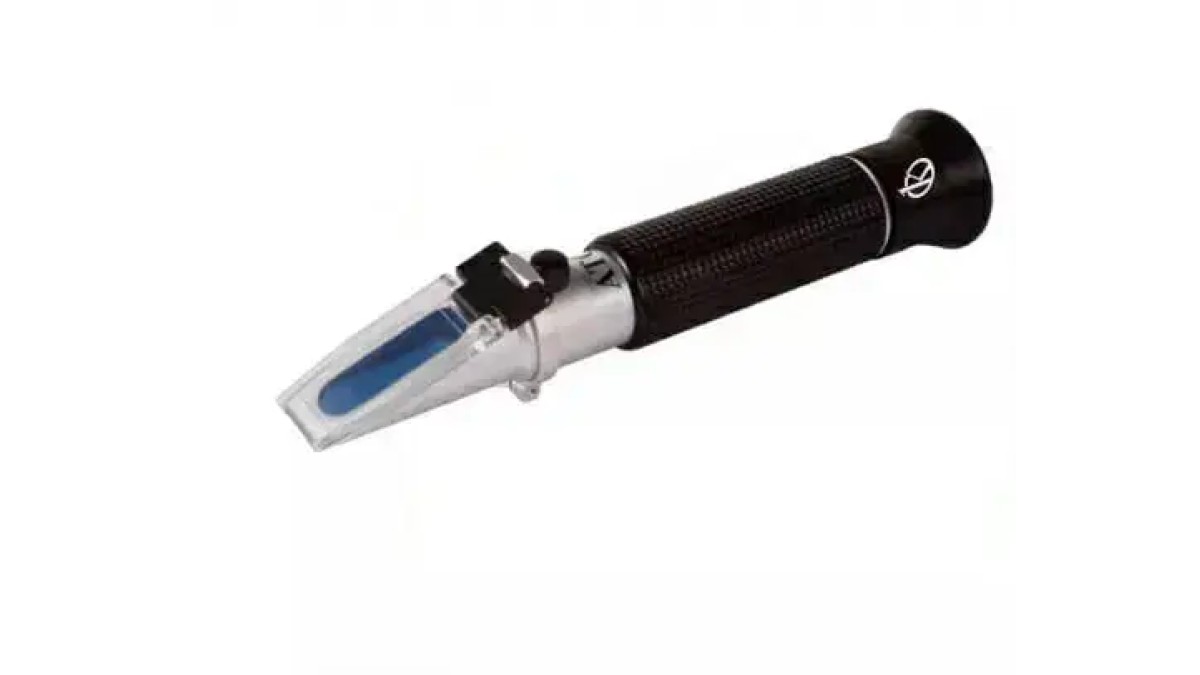
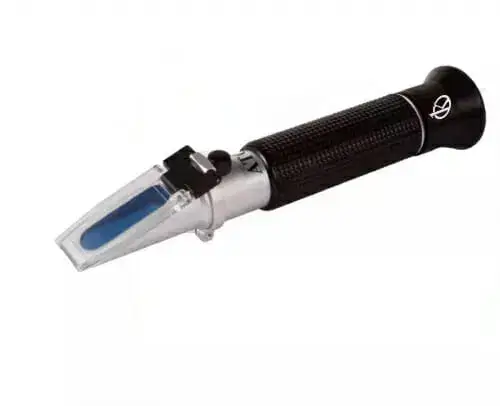
Brix Refractometers are essential tools in various fields such as viticulture, agriculture, brewing, and food production. They measure the sugar content in liquids, primarily fruit juices, allowing professionals to assess the quality and ripeness of produce. In 2026, these refractometers are widely used to ensure the correct sugar levels are maintained, which impacts flavor, quality, and fermentation processes.
History and evolution of the technology
The technology of Brix Refractometers has evolved significantly since its inception. Initially utilized for basic sugar measurements, the refractometer has transitioned into a sophisticated instrument capable of providing quick and accurate readings vital for various industrial applications. Over the years, advancements in optical technology, materials science, and data processing have allowed for more robust and user-friendly designs, making them more accessible to laboratory personnel.
How to use it step by step
Using a Brix Refractometer is a straightforward process that can be broken down into several steps:
- Prepare the sample: Collect the liquid sample that needs testing.
- Calibrate the refractometer: Ensure that the device is calibrated before use, following the manufacturer's instructions.
- Place the sample: Drop a small amount of the sample onto the prism of the refractometer.
- Close the cover: Close the cover gently to spread the sample evenly over the prism.
- Read the result: Look through the eyepiece and read the Brix value indicated on the scale.
- Clean the refractometer: After use, clean the prism and body to maintain instrumentation integrity.
Best techniques and protocols
To ensure accurate readings and effective use of Brix Refractometers, consider the following techniques:
- Always allow the instrument to reach room temperature before use.
- Use distilled water to calibrate before measuring samples.
- Ensure the sample is free of bubbles and contaminants for best results.
- Document measurements consistently to track changes over time.
Practical applications by laboratory type
Various laboratories utilize Brix Refractometers for specific applications:
- Agricultural Labs: Used to assess fruit ripeness and sugar content for optimal harvest timing.
- Food Production: Applied in syrup and juice production to regulate sugar levels and ensure quality.
- Breweries: Employed to monitor sugar concentrations during fermentation processes.
Regulations, standards and certifications
Laboratories using Brix Refractometers must comply with relevant industry regulations and standards. These may include ISO certifications, Good Manufacturing Practices (GMP), and specific agricultural standards that govern the testing processes to ensure consistency and quality in results.
Comparison with alternative technologies
When selecting a measuring device, it is crucial to compare Brix Refractometers with alternative technologies:
- Digital Sugar Meters: Provide electronic readings but may be more expensive and less portable.
- Hydrometers: Used for similar measurements but require larger sample volumes and are less precise.
Comparison of available models
| Model | Best for | Key specs | Recommended use case |
|---|---|---|---|
| YR05872 | Low sugar content samples | 0-5% Brix, 0.1% Min Div, ± 0.10% Accuracy | Testing young fruit for optimal harvest |
| YR05873 | Moderate sugar content samples | 0-10% Brix, 0.1% Min Div, ± 0.10% Accuracy | Monitoring sugar levels in growing vegetables |
| YR05874 | Higher sugar content samples | 0-18% Brix, 0.1% Min Div, ± 0.10% Accuracy | Assessing ripeness in fruit orchards |
| YR05875 | Standard applications | 0-20% Brix, 0.1% Min Div, ± 0.10% Accuracy | General testing in food production |
| YR05876 | High sugar content samples | 0-32% Brix, 0.1% Min Div, ± 0.10% Accuracy | Wine production monitoring |
| YR05877 | Versatile applications | 0-36% Brix, 0.1% Min Div, ± 0.10% Accuracy | Multi-purpose testing across industries |
Common mistakes and how to avoid them
Laboratory professionals often encounter mistakes that can affect the accuracy of their Brix measurements. Here are common errors and ways to avoid them:
- Inaccurate calibration: Always calibrate using a reference solution; recalibrate after any significant temperature fluctuation.
- Poor sample preparation: Ensure samples are free from bubbles and contaminants; use appropriate volumes.
- Neglecting temperature effects: Be aware of temperature adjustments as they can affect readings.
Maintenance, calibration and good practices 2026
Maintenance of Brix Refractometers is vital for consistent performance. Regularly clean the optical surfaces and store them in protective cases. Calibration should be performed regularly, ideally before each use, with fresh distilled water or standardized solutions.
Cost-benefit analysis 2026
When considering the purchase of Brix Refractometers, a cost-benefit analysis should encompass initial investment, expected lifespan, accuracy, and the potential for improving product quality. Budgeting for maintenance and calibration also plays a crucial role in ensuring the longevity and reliability of the investment.
Frequently asked questions
What is the best way to calibrate a Brix Refractometer?
To calibrate a Brix Refractometer, use distilled water at a controlled temperature. Place a drop of distilled water on the prism, close the cover, and adjust the calibration screw until the reading indicates 0% Brix.
How often should I clean my Brix Refractometer?
It is recommended to clean the Brix Refractometer after each use to prevent cross-contamination and maintain accuracy. Use a soft, lint-free cloth and appropriate cleaning solutions.
What sample sizes are needed for accurate readings?
Most Brix Refractometers require only a few drops of liquid, typically around 2-3 drops, to obtain accurate readings.
Can I use a Brix Refractometer for other liquids besides fruit juices?
Yes, Brix Refractometers can measure sugar content in various liquids, including syrups, honey, and some beverages, as long as the liquid's refractive index falls within the instrument’s range.
What temperature should my samples be for accurate readings?
Samples should ideally be at room temperature (20-25°C) for the most accurate readings. Ensure the refractometer is also at room temperature.
Are there any specific storage conditions for Brix Refractometers?
Store Brix Refractometers in a clean, dry place, preferably in protective cases, to prevent scratches and damage. Avoid extreme temperatures and humidity.
Where can I request a quote for purchasing Brix Refractometers?
You can request a quote for purchasing Brix Refractometers through our contact form or customer service channels.
If you are looking for a fusion of innovation and quality, you have come to the right place. At Kalstein, we offer you the luxury of exploring our exclusive catalog of laboratory equipment. We manufacture every device to the highest standards of excellence. Our intuitive and seamless online purchasing channels are designed for your convenience, securing the most competitive prices. Hesitate no longer — we bring science to life, it is time to become part of our community.