How to Analyze ROI and Cost-Benefit for Universal Power Supplies in Laboratories
In laboratory environments, the efficiency and reliability of equipment are paramount. Universal Power Supplies (UPS) play a crucial role in ensuring that laboratory instruments operate optimally. However, the decision to invest in a specific model involves more than just assessing features. A thorough understanding of the return on investment (ROI) and cost-benefit analysis tailored to laboratory needs is essential. This article delves into the intricacies of evaluating multiple Universal Power Supply models, comparing their specifications, and elucidating the factors that contribute to cost-effectiveness.
Understanding ROI in the Context of Universal Power Supplies
ROI is a critical metric for laboratories considering the purchase of new equipment. When applied to Universal Power Supplies, it involves analyzing both direct and indirect costs associated with the equipment over its lifecycle. This includes initial purchase price, operational costs, maintenance expenses, and any potential downtime costs due to power supply failure.
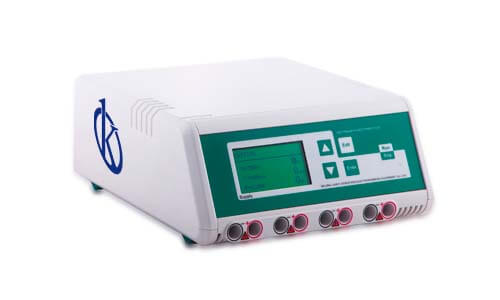
For example, if a laboratory invests in the Universal High Current Power Supply YR03400-2 at a price of $423.00, it must consider its capacity of 600V and 500mA, which may lead to improved operational efficiency and reliability. Understanding how this model performs under various laboratory conditions can provide insights into its long-term ROI.
Cost-Benefit Analysis for Different Models
Conducting a cost-benefit analysis involves comparing the features of the Universal Power Supplies against their costs and expected benefits. Each model has unique specifications that make it suitable for different laboratory applications. This analysis weighs the price against the advantages provided by each model, focusing on how these benefits align with laboratory objectives.
For instance, the Universal Power Supply YR03396-2, priced at $405.00, offers the ability to store 100 electrolysis methods, which may be beneficial for labs requiring high versatility. By assessing scenarios where each model excels, laboratories can make informed decisions about their investments.
Comparison of Available Models
| Model | CAPEX (USD) | Output Range | Best for |
|---|---|---|---|
| YR03400-2 | 423.00 | 10–600 V, 1–500 mA, 1–300 W | High current applications |
| YR03396-2 | 405.00 | 5–300 V, 1–400 mA, 1–120 W | Versatile electrolysis |
| YR03395-2 | 496.80 | 5–200 V, 1–2000 mA, 1–200 W | High current needs |
| YR03397-2 | 505.80 | 5–300 V, 1–1500 mA, 1–450 W | High flexibility |
| YR03398-2 | 505.80 | 10–600 V, 1–500 mA, 1–300 W | Dynamic applications |
| YR03399-2 | 579.60 | 10–600 V, 1–500 mA, 1–300 W | High efficiency on tasks |
Key Factors Influencing Cost-Benefit Analysis
When performing a cost-benefit analysis, laboratories should consider the following factors:
- Initial Purchase Cost: The upfront cost of Universal Power Supplies can vastly differ based on specifications and capabilities.
- Operational Efficiency: Models like the YR03400-2 with advanced features can reduce overall operational costs by improving power supply reliability.
- Maintenance Requirements: Regular maintenance and support services help prolong the life of the power supply, contributing to a better ROI.
- Downtime Costs: Considering the costs associated with downtime due to power supply failure is essential for accurate ROI calculations.
Common Mistakes and How to Avoid Them
Analyzing ROI and conducting cost-benefit analyses can be complex. Laboratories often make mistakes in their assessments, such as:
- Overlooking Total Cost of Ownership: Failing to consider maintenance and operational costs can lead to poor investment decisions.
- Ignoring Model Specifications: Selecting a model based solely on price rather than suitability for specific tasks can result in inefficiencies.
- Underestimating Downtime Impact: Not factoring in potential downtime costs can skew the perceived value of a power supply.
Frequently Asked Questions
What is the average payback period for a Universal Power Supply in a laboratory?
The average payback period for a Universal Power Supply can vary, but models like YR03400-2, priced at $423.00, can offer quick returns due to their reliability and efficiency, often resulting in a payback within 12 months.
How can I calculate the total cost of ownership for Universal Power Supplies?
To calculate the total cost of ownership for Universal Power Supplies, include initial costs, maintenance expenses, and potential downtime costs. For example, the YR03396-2 model at $405.00 provides enhanced features that may reduce maintenance costs significantly.
What maintenance practices improve the lifespan of Universal Power Supplies?
Regular maintenance practices such as routine inspections, cleaning, and software updates can enhance the lifespan of Universal Power Supplies. Models like YR03395-2 can benefit from such practices to ensure optimal performance and longevity.
Which Universal Power Supply model is best for dynamic laboratory applications?
The Universal Power Supply YR03398-2, with its ability to support a wide output range and features for dynamic operations, is highly recommended for laboratories needing flexibility and reliability.
How does a Universal Power Supply enhance laboratory productivity?
Universal Power Supplies improve laboratory productivity by ensuring consistent power delivery, which minimizes downtime. For instance, the YR03397-2 model can support multiple applications simultaneously, boosting overall efficiency.
What factors contribute to the cost-effectiveness of Universal Power Supplies?
Factors such as initial cost, maintenance requirements, energy efficiency, and reliability contribute to the cost-effectiveness of Universal Power Supplies. The YR03399-2 model exemplifies this with its comprehensive features.
Can I expect energy savings with modern Universal Power Supply models?
Yes, modern Universal Power Supply models, such as the YR03400-2, are designed with energy efficiency in mind, leading to potential energy savings that contribute positively to overall operational costs.
What should I consider before investing in a Universal Power Supply?
Before investing in a Universal Power Supply, consider your laboratory's specific needs, the expected load, potential growth, and how each model will integrate with existing equipment. The YR03396-2 is a versatile option that can adapt to varying requirements.
If you are looking for a fusion of innovation and quality, you have come to the right place. At Kalstein, we offer you the luxury of exploring our exclusive catalog of laboratory equipment. We manufacture every device to the highest standards of excellence. Our intuitive and seamless online purchasing channels are designed for your convenience, securing the most competitive prices. Hesitate no longer — we bring science to life, it is time to become part of our community.