Analytical Balances: Applications in Research, Biotechnology and Academia 2026
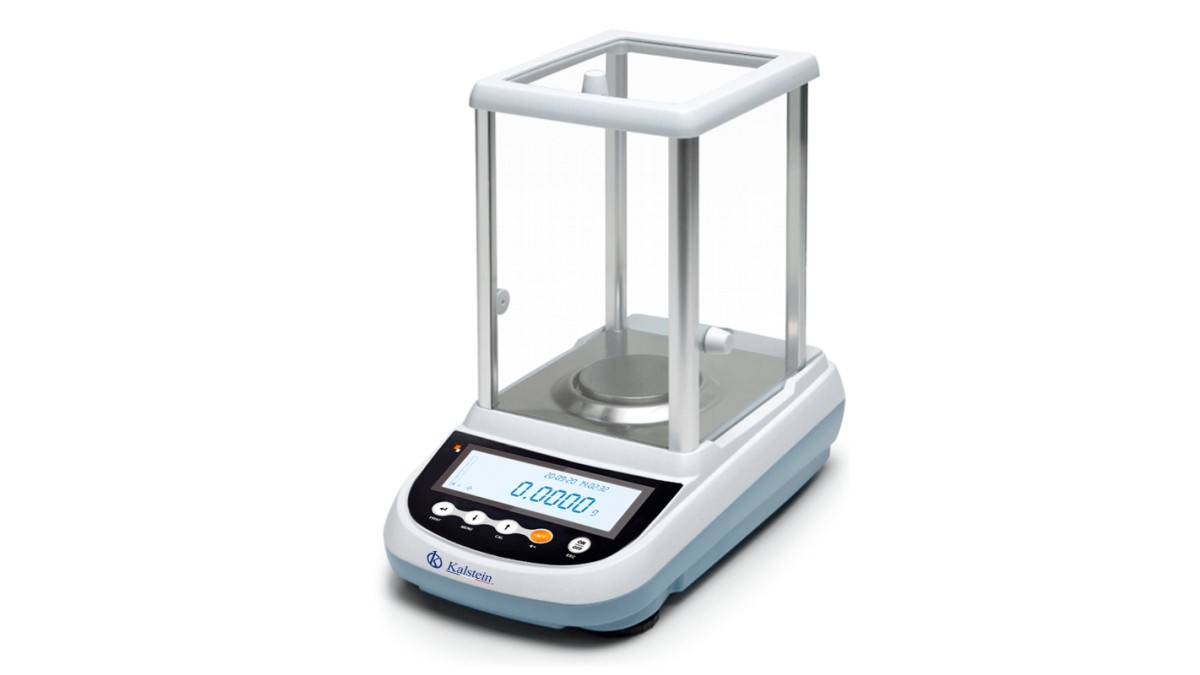
Analytical balances are indispensable tools in laboratories across various sectors, including research, biotechnology, and academia. They offer precision and accuracy, which are critical for obtaining reliable results in experiments and analyses. This article outlines the applications of analytical balances, their evolution, usage protocols, best practices, and a comparison of available models.
What is it used for in 2026
In 2026, analytical balances are primarily used for measuring mass with high precision in laboratory environments. Their applications extend to various fields, such as:
- Pharmaceuticals: For accurate formulation of drug compounds.
- Chemistry: To measure reactants with precision for chemical reactions.
- Biotechnology: Assisting in the preparation of cultures and samples.
- Food Science: For quality control and ingredient formulation.
- Academic Research: Used extensively in experiments involving quantitative analysis.
- Environmental Testing: In measuring pollutants or contaminants with unprecedented accuracy.
History and evolution of the technology
The history of analytical balances dates back to the 18th century, evolving from simple beam balances to sophisticated digital models. Early analytical balances relied on mechanical principles, requiring manual calibration and environmental considerations. Modern analytical balances, such as those in the YR05568 series, incorporate automatic internal calibration, advanced load cell technology, and user-friendly interfaces, making them essential in contemporary laboratories.
How to use it step by step
Using an analytical balance involves several steps:
- Preparation: Ensure the balance is placed on a stable surface, away from drafts and vibrations.
- Calibration: Perform internal calibration as recommended or external calibration if necessary.
- Zeroing: Tare the balance to zero before placing the sample on the weighing pan.
- Loading the sample: Carefully place the sample in the center of the weighing pan.
- Reading the measurement: Wait for the reading to stabilize before recording the weight.
- Post-use: Clean the balance and return it to its original settings.
Best techniques and protocols
To achieve optimal results with analytical balances, follow these techniques and protocols:
- Always allow the balance to warm up before use to ensure accuracy.
- Use appropriate containers (weigh boats or paper) to prevent contamination.
- Avoid touching the weighing pan with bare hands to minimize the risk of contamination.
- Regularly clean the balance with appropriate materials to maintain hygiene and functionality.
- Document all measurements meticulously for traceability and reproducibility.
Practical applications by laboratory type
The use of analytical balances varies significantly across different laboratory types:
- Research Laboratories: Utilize balances for precise measurements in experiments.
- Quality Control Labs: Ensure that product formulations meet regulatory standards.
- Biotechnology Labs: Measure biological samples with high accuracy for reliable results.
- Education Institutions: Facilitate hands-on learning experiences for students in scientific methodologies.
Regulations, standards and certifications
Analytical balances must comply with various regulations and standards, including:
- ISO 9000 for quality management systems.
- ISO/IEC 17025 for testing and calibration laboratories.
- Good Laboratory Practice (GLP) to ensure consistent and reliable results.
Comparison with alternative technologies
Analytical balances offer several advantages over alternative weighing technologies, such as:
- Higher accuracy and precision compared to mechanical balances.
- Automatic calibration features, which reduce the potential for human error.
- Digital interfaces that simplify data collection and management.
Comparison of available models
| Model | Best for | Key specs | Recommended use case |
|---|---|---|---|
| YR05568 | General laboratory use | Capacity: 220g, Resolution: 0.1mg | Precision measurement in various applications |
| YR05569 | Higher capacity needs | Capacity: 310g, Resolution: 0.1mg | Suitable for larger sample sizes |
| YR05570 | Advanced research | Capacity: 410g, Resolution: 0.1mg | Ideal for detailed analytical work |
| YR05571 | Versatile applications | Capacity: 510g, Resolution: 0.1mg | Great for multi-purpose laboratory tasks |
| YR05572 | Heavy-duty usage | Capacity: 610g, Resolution: 0.1mg | Best for industrial applications |
| YR05573 | Jewelry and high precision | Capacity: 100g, Resolution: 0.0001g | Precision weighing for precious metals and experiments |
Common mistakes and how to avoid them
Common mistakes made while using analytical balances include:
- Neglecting calibration: Always calibrate before use to ensure accuracy.
- Inadequate cleaning: Regularly clean the balance to avoid cross-contamination.
- Ignoring environmental factors: Ensure the balance is situated away from drafts and vibrations.
Maintenance, calibration and good practices 2026
Maintaining an analytical balance is crucial for its longevity and performance. Key practices include:
- Regular calibration checks based on usage frequency.
- Keeping the balance clean and free from dust and chemicals.
- Using appropriate protective covers when the balance is not in use.
Cost-benefit analysis 2026
Investing in an analytical balance yields significant benefits, including:
- Enhanced accuracy leads to better experimental outcomes.
- Time savings due to quicker measurements and fewer errors.
- Reliability in results, promoting trust in research findings.
Frequently asked questions
How do I choose the right analytical balance for my lab?
Choosing the right analytical balance depends on your specific needs, such as capacity requirements and precision levels. Consider factors like the type of measurements you'll conduct, the maximum weight you'll need to weigh, and any specific features like internal calibration.
What maintenance tasks should I perform regularly?
Regular maintenance tasks include cleaning the balance frequently, performing calibration checks, and ensuring the balance is in a stable environment free from vibrations and drafts.
What is the importance of taring the balance?
Taring the balance resets it to zero with the container or any additional materials, ensuring that you only measure the weight of the sample. This step is crucial for obtaining accurate results.
Can I use an analytical balance in a field environment?
While analytical balances are designed for laboratory conditions, portable models can be used in field environments. However, ensure that the balance is protected from environmental factors such as temperature fluctuations and vibrations.
How often should I calibrate my analytical balance?
Calibration frequency depends on usage. It is recommended to calibrate the balance daily if used extensively or before any critical measurements to ensure accuracy.
What factors can affect the accuracy of measurements?
Factors affecting accuracy include environmental conditions such as temperature and humidity, handling errors, and cleanliness of the balance. Keep the balance in a controlled environment and properly maintained to minimize these influences.
Where can I find competitive pricing on analytical balances?
You can request a quote through various suppliers, including specialized laboratory equipment providers. Comparing prices and specifications will help you find the best fit for your needs.
If you are looking for a fusion of innovation and quality, you have come to the right place. At Kalstein, we offer you the luxury of exploring our exclusive catalog of laboratory equipment. We manufacture every device to the highest standards of excellence. Our intuitive and seamless online purchasing channels are designed for your convenience, securing the most competitive prices. Hesitate no longer — we bring science to life, it is time to become part of our community.