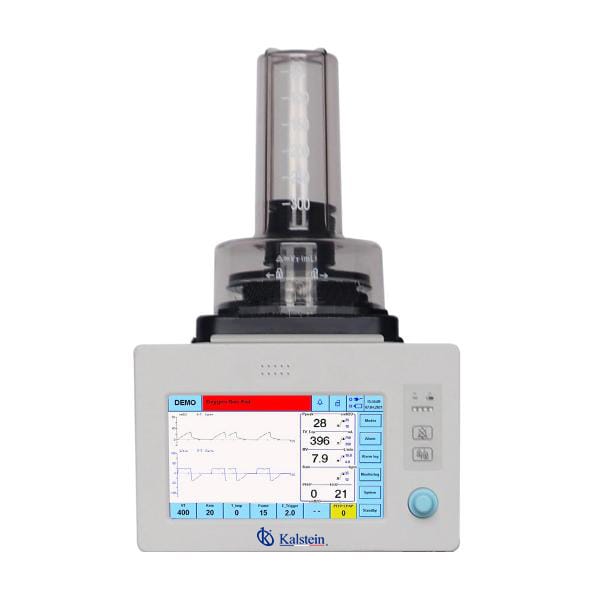
Adapting the YR06103 Veterinary Anesthesia Ventilator for Different Clinical Sectors
The YR06103 veterinary anesthesia ventilator is a robust piece of equipment designed to provide advanced respiratory support for animals in various clinical settings. Its compact design, lightweight build, and user-friendly features make it an ideal choice for veterinary practices, educational institutions, and industrial applications. This article will delve into how the YR06103 can be adapted for different clinical sectors, enhancing its usability and efficacy.
Technical Specifications of the YR06103
| Specification | Details |
|---|---|
| Model | YR06103 |
| Display | 9-inch TFT touch screen |
| Gas type | O2 or Air |
| Inlet pressure | 280-600 kPa |
| Max flow | ≤ 120 L / min |
| Operating Mode | VCV, PCV, SPONT, Manual, Demo |
| Battery Type | Li-ion, work time more than 2 hours |
| Weight | 12 kg |
Understanding the Principles of Operation
The YR06103 operates on fundamental principles of veterinary anesthesia, utilizing both positive pressure ventilation and controlled ventilation modes. When operating in PCV (Pressure Control Ventilation) mode, the device automatically adjusts the pressure delivered to the animal's lungs, thereby ensuring optimal ventilation parameters while maintaining comfort. The automatic weight-based calculation feature enhances the precision of the ventilation settings, making it easier for practitioners to cater to various species and sizes of animals.
The ventilator's user-friendly interface includes a 9-inch TFT touch screen, allowing for quick adjustments and monitoring of important parameters such as tidal volume, respiratory rate, and inspiratory pressure. This functionality is crucial in ensuring that the equipment can adapt to the varying needs of different clinical settings.
Setting Up the YR06103 for Clinical Use
When first introducing the YR06103 into a clinical environment, it is essential to follow a structured setup process to ensure its effective operation. This includes unboxing the unit, verifying all components, and conducting initial calibrations. The device should be powered up and connected to the appropriate gas supply, with meticulous attention given to ensuring there are no leaks in the system.
Common setup mistakes include failing to calibrate the device after initial power-up and overlooking the importance of verifying hose connections. It is advisable to consult the user manual for a comprehensive setup checklist, ensuring that all operational parameters are validated before commencing use.
Adapting the YR06103 in Different Clinical Sectors
The versatility of the YR06103 allows it to be effectively utilized in various clinical sectors:
- Veterinary Medicine: The primary application of the YR06103, allowing for safe anesthesia during surgical procedures. Its multiple operating modes and compatibility with various anesthesia machines ensure that veterinarians can provide tailored care based on the type of procedure and the specific animal needs.
- Educational Institutions: Used in veterinary teaching schools, the YR06103 serves as a training tool for students to learn anesthesia techniques. Its intuitive interface and safety features facilitate a learning environment that emphasizes hands-on experience.
- Industrial Applications: In settings such as laboratories or research institutions, the YR06103 can be adapted for the study of animal physiology under controlled anesthesia, providing insights into various biomedical research queries.
- Food Industry: The application in livestock management, ensuring that animals are safely anesthetized for procedures such as vaccinations or health checks, contributes to better animal welfare standards.
Troubleshooting Common Issues with the YR06103
Veterinary professionals must be equipped to troubleshoot common issues that may arise during the use of the YR06103. Below is a table outlining common symptoms, potential causes, and solutions:
| Symptom | Possible Cause | Solution |
|---|---|---|
| Device does not power on | Power supply issue | Check power connections and ensure the outlet is functional. |
| Error Code E-03 | Pressure sensor malfunction | Inspect pressure sensor and connections; recalibrate if needed. |
| Inconsistent readings on display | Calibration error | Recalibrate the device following the user manual. |
Frequently Asked Questions
What are the key features of the YR06103 Veterinary Anesthesia Ventilator?
The YR06103 features a 9-inch TFT touch screen for easy operation, automatic weight-based parameter calculations, compatibility with various anesthesia machines, and options for both large and small animal bellows. Its lightweight and compact design enhance mobility and ease of use in different clinical settings.
How does the battery functionality work in the YR06103?
The YR06103 is equipped with a built-in lithium-ion battery, allowing for more than two hours of operation during power outages. This feature ensures that critical care can continue uninterrupted, enhancing the safety of patient management.
Can the YR06103 be used for both small and large animals?
Yes, the YR06103 is designed to accommodate both small and large animals through its interchangeable bellows system. Users can switch between bellows depending on the size of the animal being treated, ensuring effective ventilation.
What maintenance is required for the YR06103?
Regular maintenance includes routine checks of the gas supply connections, battery status, and calibration of parameters. It's essential to follow the manufacturer's guidelines for servicing and replacement intervals to ensure longevity and reliability of the device.
How do I interpret the readings on the YR06103?
The YR06103 displays various parameters, including tidal volume, respiratory rate, and flow rates. Understanding these measurements involves knowing the normal ranges for the specific species being treated and ensuring that the displayed values fall within these ranges for effective ventilation.
What should I do if the device shows an error code?
When encountering an error code, consult the user manual for specific troubleshooting steps. Common procedures include resetting the device, checking connections, and recalibrating if necessary. Contacting the manufacturer for assistance may also be warranted if issues persist.
How can I request a quote for the YR06103?
You can request a quote by contacting the sales department through the provided channels. Our team will assist you in obtaining the best pricing and options available for the YR06103.
If you are looking for a fusion of innovation and quality, you have come to the right place. At Kalstein, we offer you the luxury of exploring our exclusive catalog of laboratory equipment. We manufacture every device to the highest standards of excellence. Our intuitive and seamless online purchasing channels are designed for your convenience, securing the most competitive prices. Hesitate no longer — we bring science to life, it is time to become part of our community.